
Indian Sandalwood (Santalum album): The Complete Guide
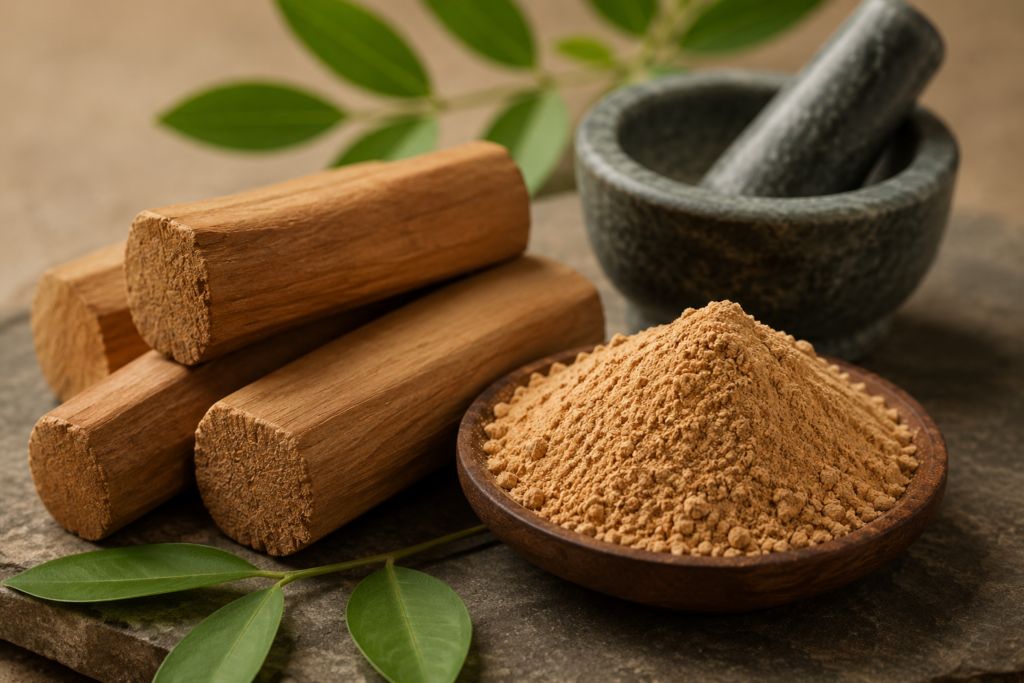
If there’s one tree that carries the weight of Indian culture, luxury perfumery, and traditional medicine all at once, it’s sandalwood. Known botanically as Santalum album, Indian Sandalwood isn’t just a fragrant piece of wood — it’s a slow-growing treasure that has been prized for over 4,000 years. Whether you’ve encountered it in a stick of incense, a bottle of perfume, or a jar of skincare cream, there’s a good chance you’ve only scratched the surface of what makes this tree so special.
This guide breaks down everything you need to know about Indian Sandalwood — what it is, why it’s valuable, how it’s used, and what to watch out for when buying it.
What Is Indian Sandalwood?
Santalum album is a tropical tree native to South India, particularly the states of Karnataka and Tamil Nadu. It belongs to a unique category of plants called hemi-parasitic trees, meaning it doesn't grow entirely on its own. Its roots attach to the roots of nearby host trees to draw water and nutrients, which is part of why it grows so slowly and why cultivating it successfully requires careful planning. A sandalwood tree needs anywhere from 15 to 30 years to mature enough for its heartwood — the dense, oil-rich core of the trunk — to develop the fragrance it's famous for. This long maturation period is the single biggest reason genuine Indian Sandalwood commands such a high price.
Why is it so valuable?
Indian Sandalwood oil is often called "liquid gold," and the comparison isn't far off. A few factors drive its value:
1. Slow growth cycle: Unlike most cash crops, sandalwood can't be rushed. The tree needs decades before it's ready for harvest.
2. High oil content: Santalum album typically contains a much higher concentration of santalol (the aromatic compound responsible for its scent) compared to other sandalwood species like Australian sandalwood.
3. Overharvesting and regulation: Decades of illegal logging pushed wild sandalwood populations into decline, leading the Indian government to regulate its cultivation and trade heavily.
4. Irreplaceable scent profile: Perfumers and aromatherapists widely regard the smell of Indian Sandalwood as smoother, creamier, and longer-lasting than substitutes.
Because of these factors, genuine sandalwood oil can cost several times more than gold by weight.
The Fragrance Profile
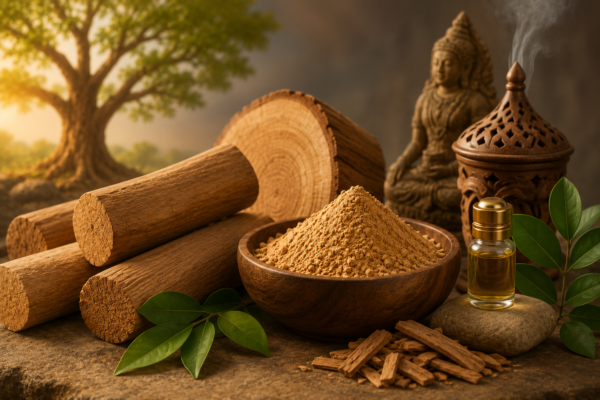
Indian Sandalwood has a warm, creamy, woody scent with soft milky undertones and a faint sweetness. It's often described as smooth rather than sharp, which is why it blends so well with other notes in perfumery — from florals to spices to musks. This is also why it's used as a "base note" in fragrances; it lingers on the skin far longer than lighter top or middle notes.
Traditional & Cultural Significance
Sandalwood holds deep roots in Indian tradition, especially in religious and spiritual practices. 1. Religious rituals: Sandalwood paste is used in Hindu temples to mark the forehead (tilak) and to anoint deities during worship. 2. Ayurveda: In Ayurvedic medicine, sandalwood is valued for its cooling properties and is used to soothe skin conditions, reduce inflammation, and calm the mind. 3. Cultural ceremonies: It's a common element in weddings, funerals, and other significant life events, often burned as incense to purify spaces. This cultural weight is part of why sandalwood is more than a commercial product in India — it's tied to identity and tradition.
Common Uses of Indian Sandalwood
Perfumery
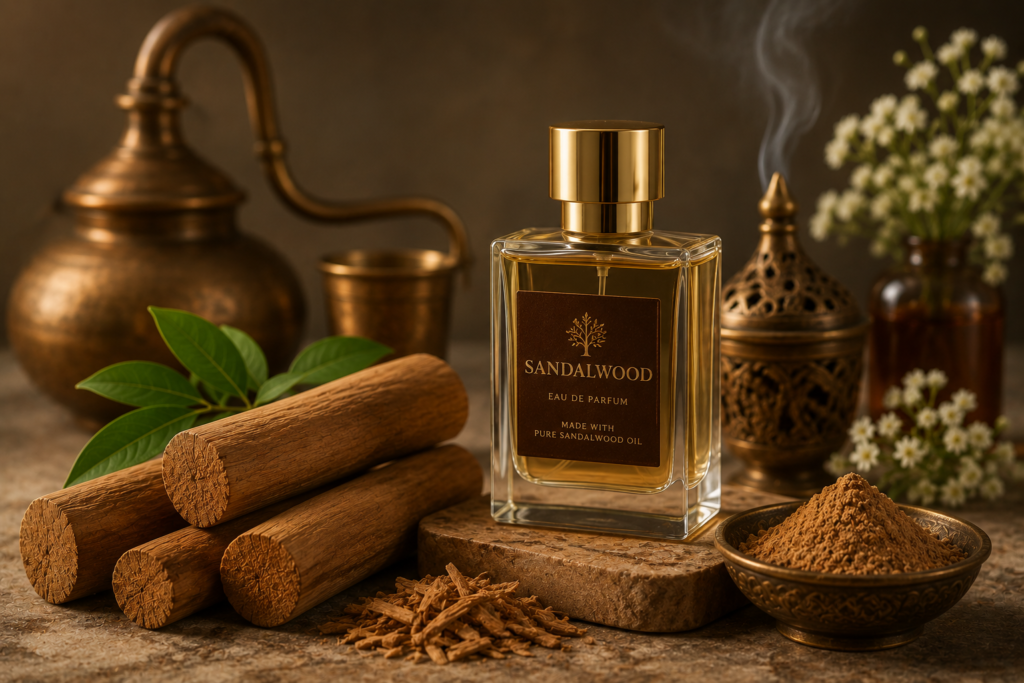
Sandalwood oil is a cornerstone ingredient in high-end perfumes. Its ability to fix other scents and extend their longevity makes it indispensable to perfumers working with floral, oriental, or woody fragrance families.
Skincare & Cosmetics
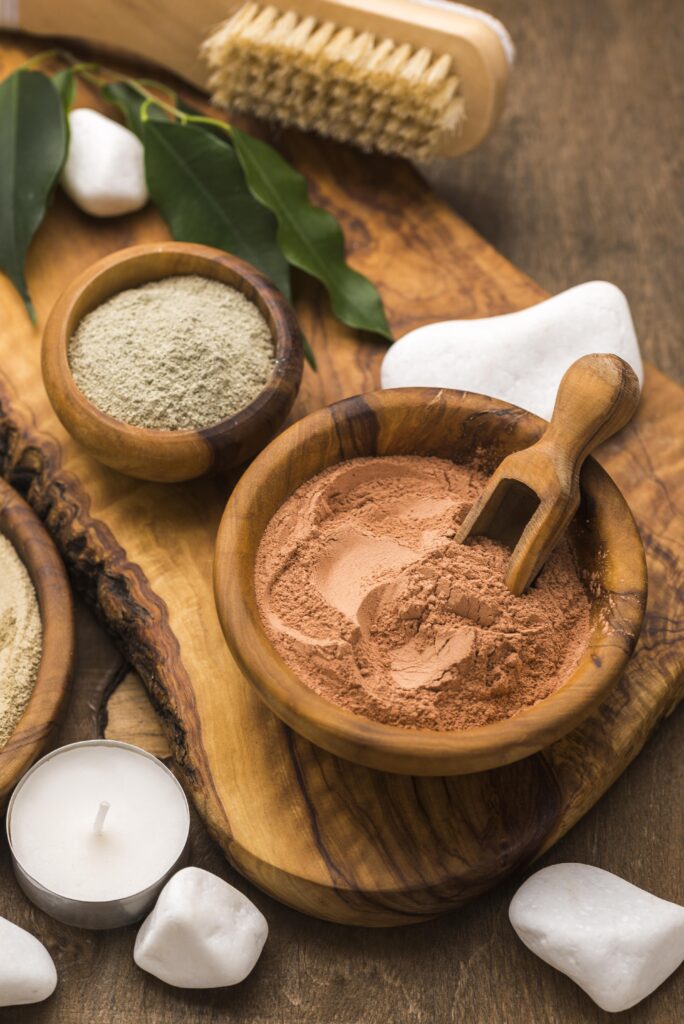
Thanks to its anti-inflammatory and antibacterial properties, sandalwood is a popular ingredient in soaps, creams, and face packs. It’s often marketed for its ability to soothe irritated skin and improve complexion.
Aromatherapy
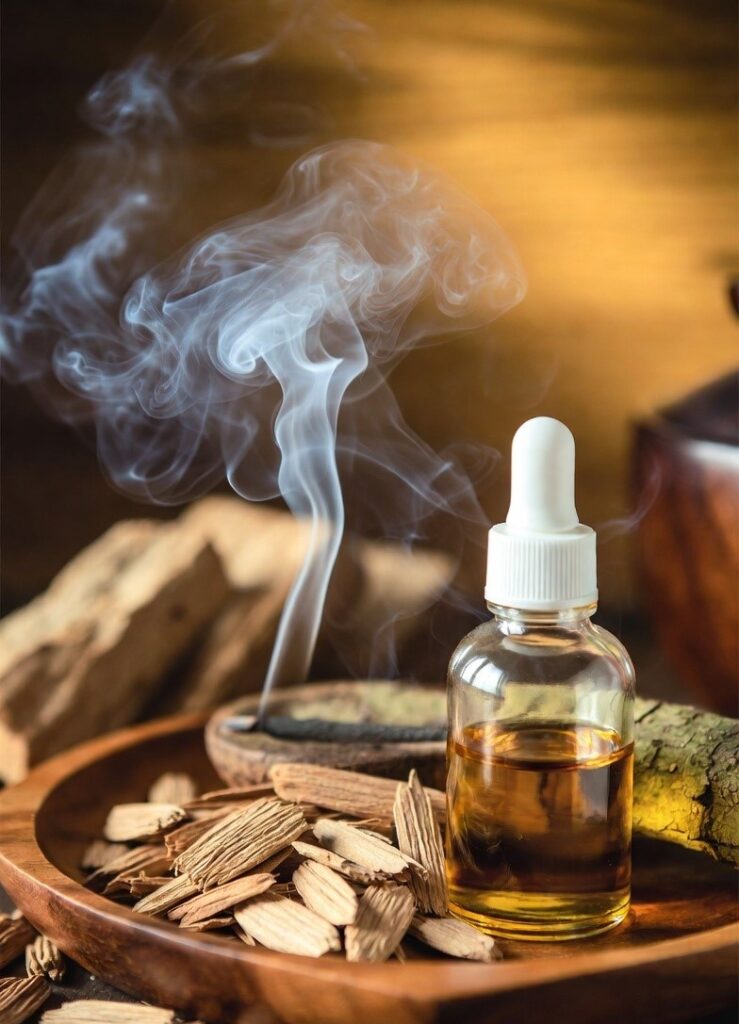
The calming, grounding aroma of sandalwood oil makes it a favorite in aromatherapy, where it’s used to reduce stress, ease anxiety, and support meditation practices.
Woodworking & Carving
The calming, grounding aroma of sandalwood oil makes it a favorite in aromatherapy, where it’s used to reduce stress, ease anxiety, and support meditation practices.
Incense
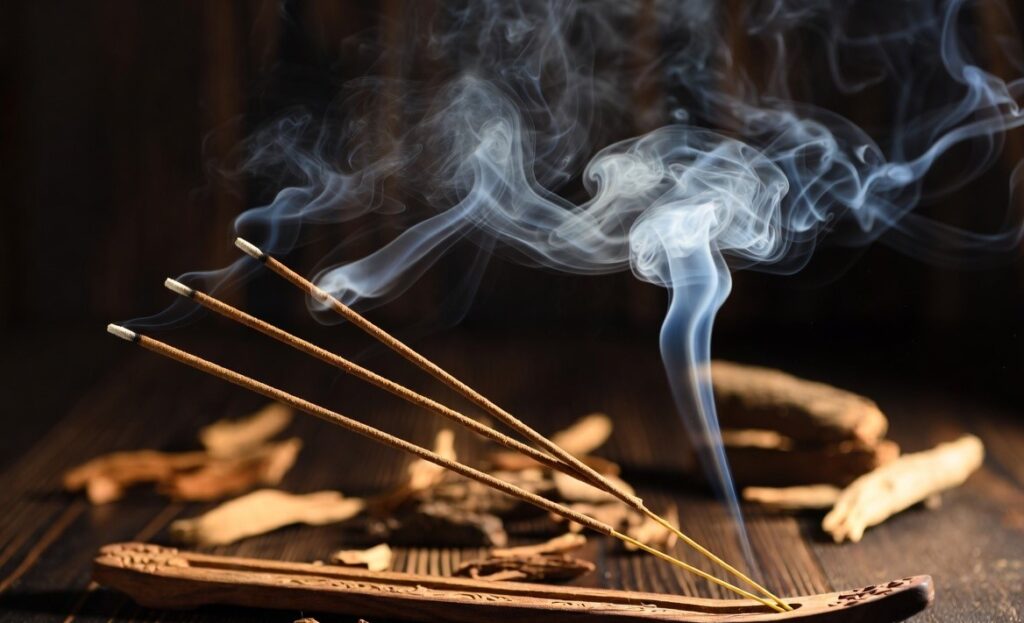
Sandalwood incense sticks and cones are widely used in homes and temples across India and beyond, valued for their long-lasting, soothing fragrance.
How to identify genuine Sandalwood?
Given its high value, sandalwood is frequently adulterated or substituted with cheaper alternatives. Here's what to look for: 1. Scent test: Genuine sandalwood has a subtle, creamy scent that develops over time on skin, unlike synthetic versions that often smell sharp or fade quickly. 2. Source verification: Look for certification or documentation confirming the wood or oil comes from legally cultivated sources. 3. Price sensitivity: If a "sandalwood" product is priced too low, it's likely diluted or made with synthetic substitutes. 4. Oil color and texture: Pure sandalwood oil is typically pale yellow and has a slightly viscous texture.
Sustainability & Legal Considerations
Due to past overexploitation, the Indian government tightly regulates sandalwood harvesting and trade. Farmers now require permits to cultivate and sell it, and several private companies have begun sustainable plantation projects to meet global demand without depleting wild forests. If you're purchasing sandalwood products, choosing brands that emphasize ethical sourcing helps support these conservation efforts.
Conclusion
Indian Sandalwood is far more than a fragrant commodity — it's a plant deeply woven into history, spirituality, and craftsmanship. Its rarity, combined with its unmatched aroma and versatility, explains why it continues to hold such a prestigious place in perfumery, skincare, and tradition. Whether you're buying a bottle of essential oil or a stick of incense, understanding what makes genuine Indian Sandalwood special can help you appreciate — and choose — it more wisely.