Terrgeum is a land-based agricultural participation platform focused on structured plantation ecosystems and sustainable land use. The initiative combines responsible agriculture, ecological stewardship, and transparent participation models to support long-term value from productive land.
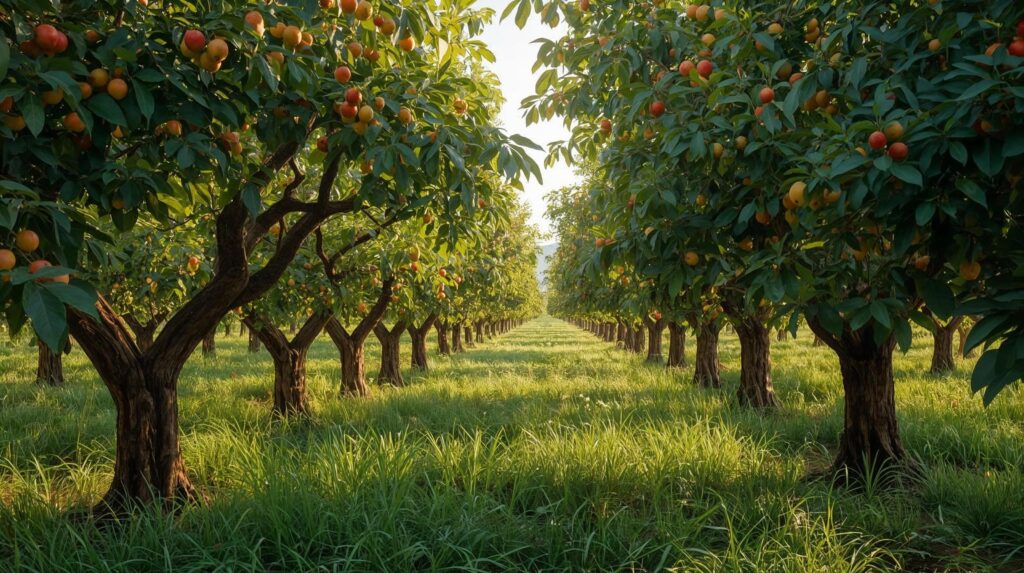
Our plantations are designed using agroforestry principles, integrating complementary plant species within the same land ecosystem. This diversified approach helps improve soil health, enhance land productivity, and support balanced agricultural environments.
Terrgeum emphasizes structured plantation development and transparent participation. Each plantation project operates under documented agreements, defined land allocation structures, and organized plantation management practices, providing participants with visibility into the plantation framework.
Through Terrgeum, we aim to promote responsible land development, biodiversity-friendly agricultural systems, and modern plantation management practices aligned with long-term sustainability.
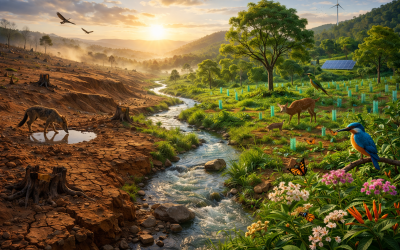
Agroforestry is a sustainable land management approach that integrates trees, crops, and vegetation within the same land ecosystem. Unlike monocropping, diversified plantation systems create a balanced agricultural environment that improves land productivity while supporting ecological stability.
By combining multiple plant species within a single ecosystem, agroforestry helps develop resilient landscapes that promote both agricultural output and environmental sustainability.
Sustainable Impact & Agroforestry Benefits
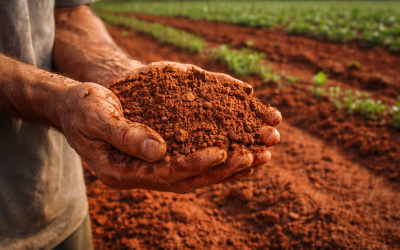
Soil Health Improvement
Diversified plantation systems support natural nutrient cycling and improve long-term soil fertility
Efficient Land Utilization
Agroforestry systems integrate complementary crops to maximize land productivity
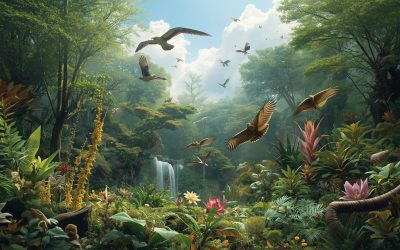
Biodiversity Support
Multiple plant species within the same ecosystem help maintain ecological balance and strengthen plantation resilience
Climate & Carbon Benefits
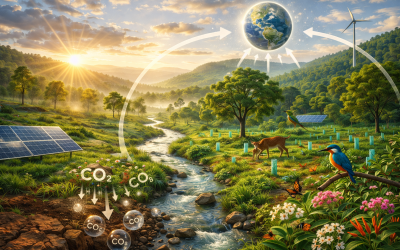
Long-term tree cultivation contributes to carbon capture and supports climate-resilient agricultural landscapes
Land Restoration & Sustainability
Structured plantation development can help restore degraded agricultural land while promoting sustainable productivity
The Terrgeum Agroforestry Model
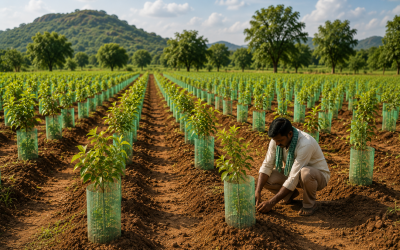
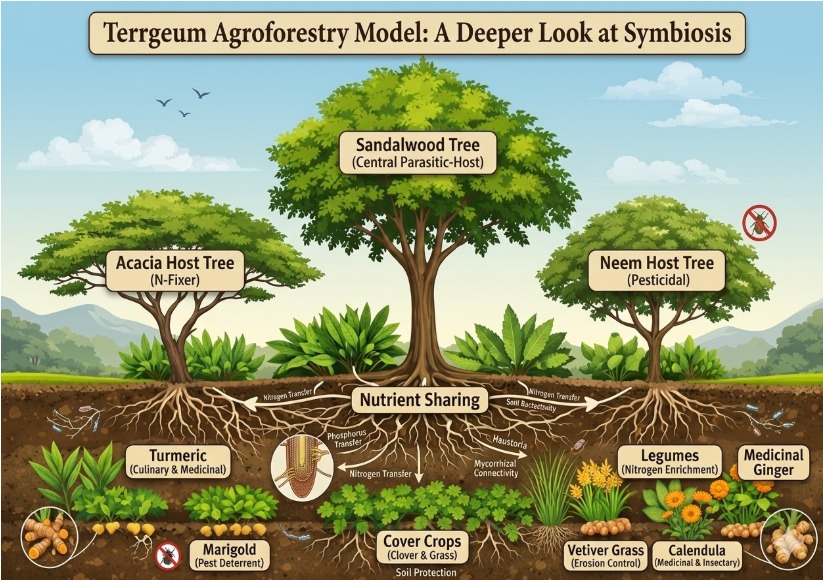
The Terrgeum agroforestry model follows a structured plantation approach where multiple compatible plant species are cultivated within the same land ecosystem. This diversified system helps support soil fertility, biodiversity, and long-term agricultural sustainability.
Instead of relying on monocropping, the Terrgeum model integrates primary tree species, host plants, and companion vegetation to create a resilient and productive agroforestry ecosystem
Key Components of Terrgeum Ecosystem
Primary Tree Species
Long-term plantation trees form the core of the ecosystemwhich are cultivated with careful spacing and management to support healthy growth
Host Plants
Certain tree species act as host plants, supporting the growth of primary tree through natural root interactions and nutrient exchange within the soil ecosystem
Companion Crops
Additional vegetation and supportive plant species help improve soil health, biodiversity, and overall plantation resilience
Multi-Layer Plantation System
Different plant species grow at varying heights and root depths, allowing efficient use of sunlight, water, and soil nutrients
Commitment to ethical practices and participant trust
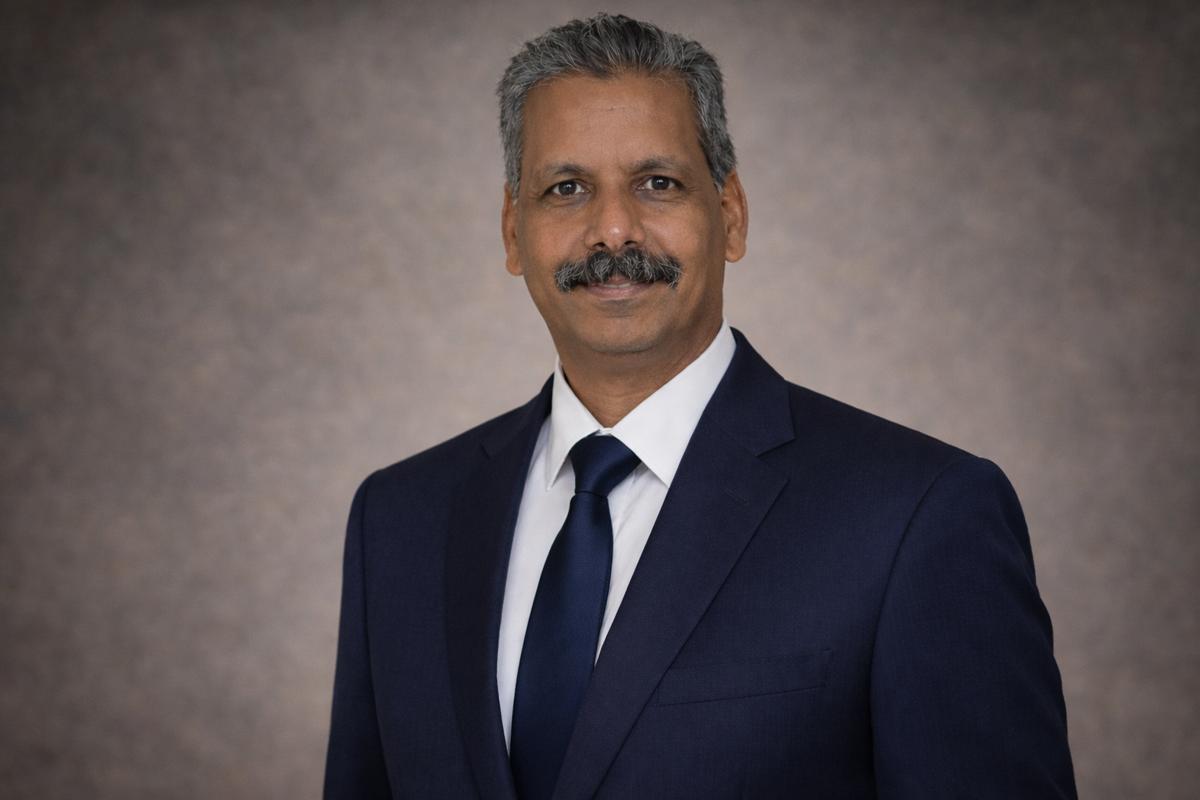
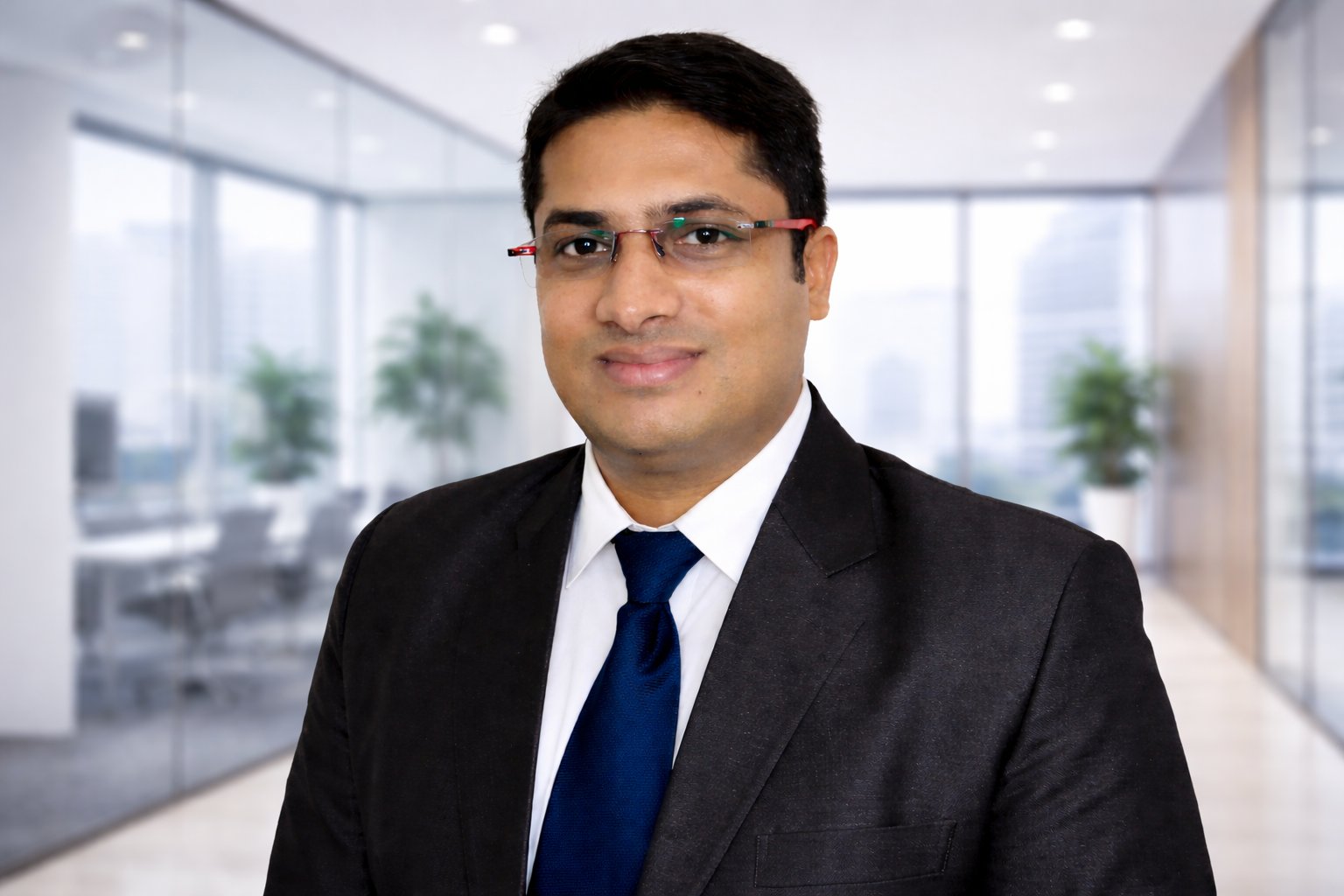
Vinodh Singh S Founder & Managing Director
Mr. Vinodh Singh S is a visionary entrepreneur and driving force behind initiatives in agroforestry, sustainable investments, and digital innovation. With a strong focus on bridging technology and nature-based solutions, he is actively involved in developing scalable platforms that promote sustainable farming practices and long-term ecological value.
He plays a key role in conceptualizing and building investor-centric models that enable individuals to participate in agroforestry projects with transparency and efficiency. His work emphasizes the integration of modern digital systems, including web platforms and data-driven tools, to enhance user experience and operational effectiveness.
With a growing interest in sustainable agriculture, plantation management, and financial inclusion through green investments, Mr. Vinodh Singh continues to contribute towards creating impactful, future-ready solutions that benefit both investors and the environment.
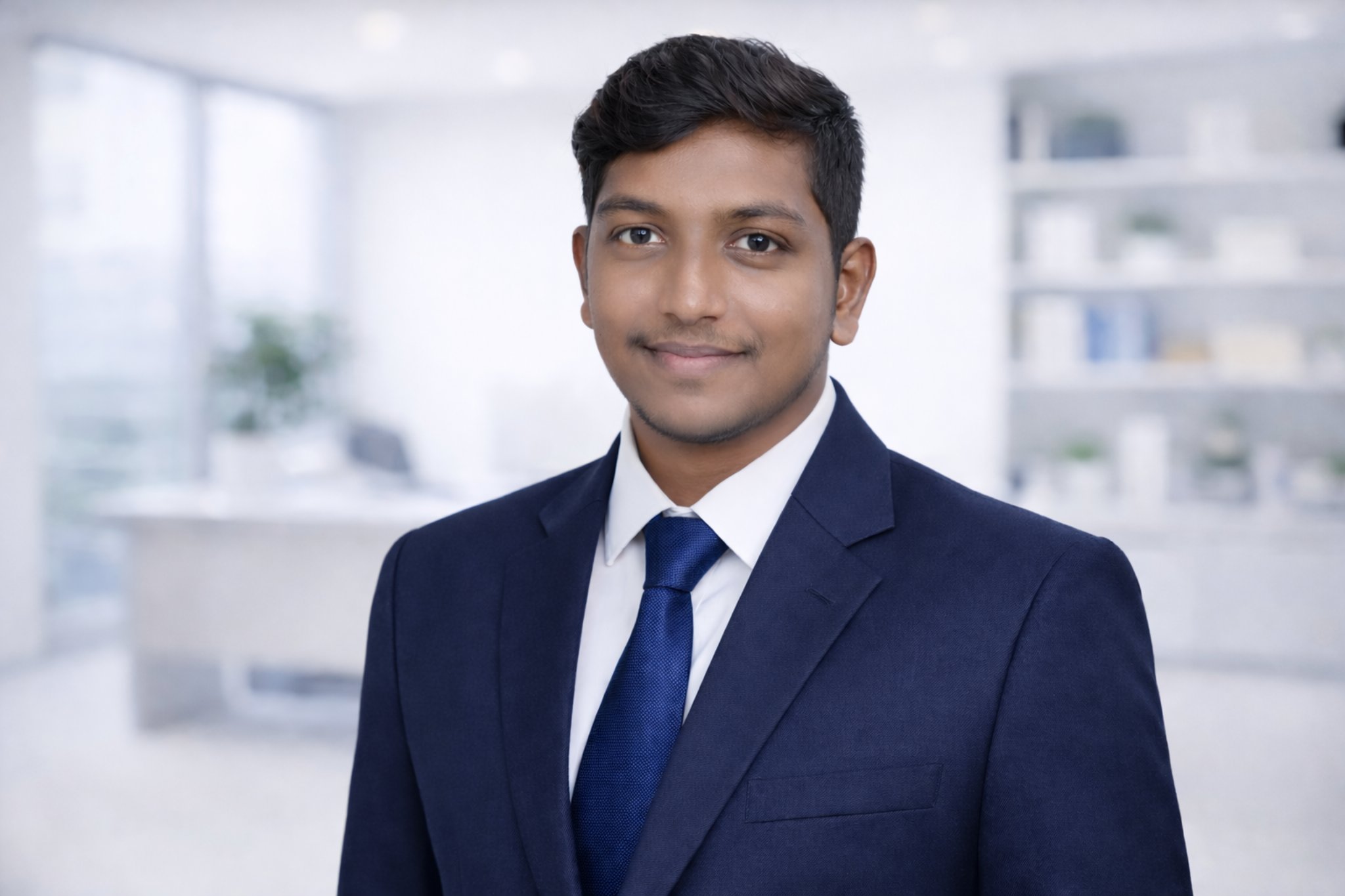
Dr.Videsh Desingh President
Dr. Videsh Desingh is a researcher and academic specializing in Mechanical Engineering, with a strong focus on Internet of Things (IoT) applications in healthcare and supply chain management. He earned his Ph.D. from Anna University, Chennai (2017–2022), where his research explored the barriers to IoT adoption in the Indian healthcare supply chain.
His research interests include IoT integration, Radio Frequency Identification (RFID) in logistics, and sustainable Industry 4.0 strategies. Dr. Videsh has contributed to advancing knowledge in emerging technologies by publishing studies on the adoption challenges of AI and IoT in healthcare systems, utilizing advanced methodologies such as ISM and fuzzy MICMAC analysis.
He is currently associated with Stella Mary’s College of Engineering as a Director and is recognized as a research supervisor by Anna University. In addition, he serves as a Master Trainer for community-based participatory initiatives, contributing to skill development and knowledge dissemination.
Dr. Videsh has published his research in reputed journals, including The International Journal of Health Planning and Management, and continues to work at the intersection of technology, healthcare, and sustainable systems.
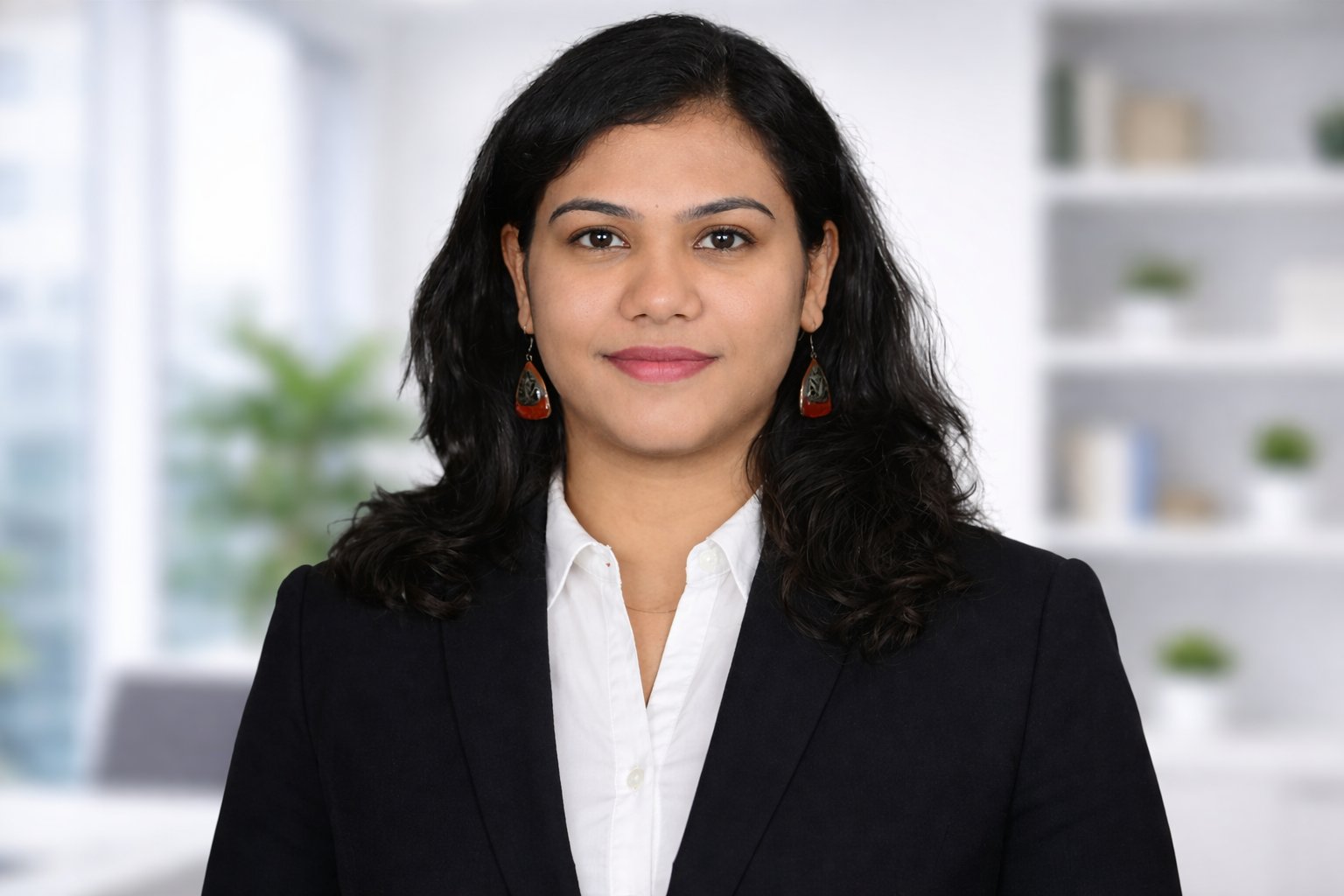
Nisha D Chief Executive Officer (CEO)
Nisha holds an M.Tech in Big Data Analytics from PES University and brings experience from Oracle and SAP Labs in enterprise application development and data-driven systems. At Terrgeum, she contributes to data analytics and AI-driven capabilities that support platform intelligence and operational insights.
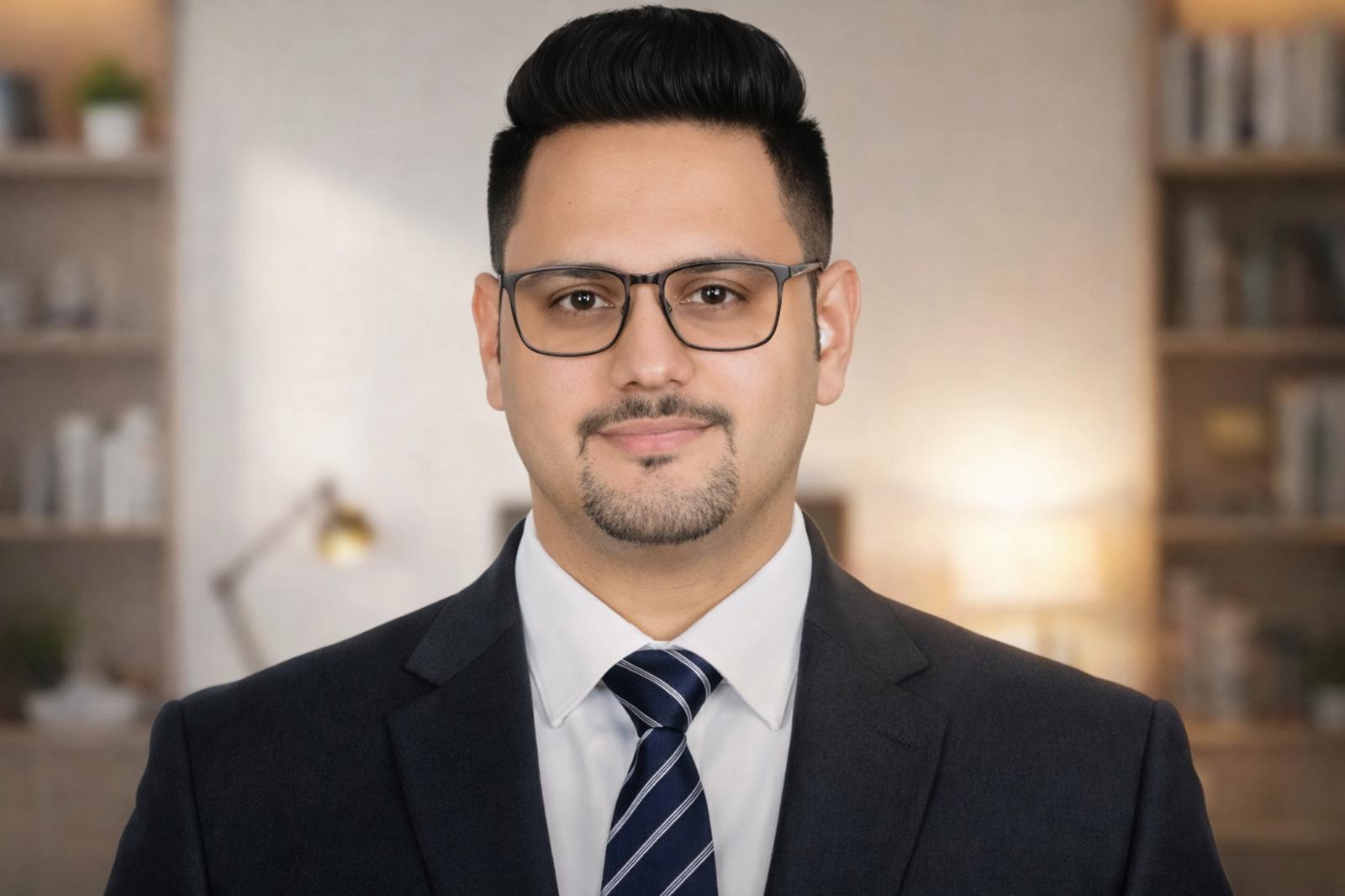
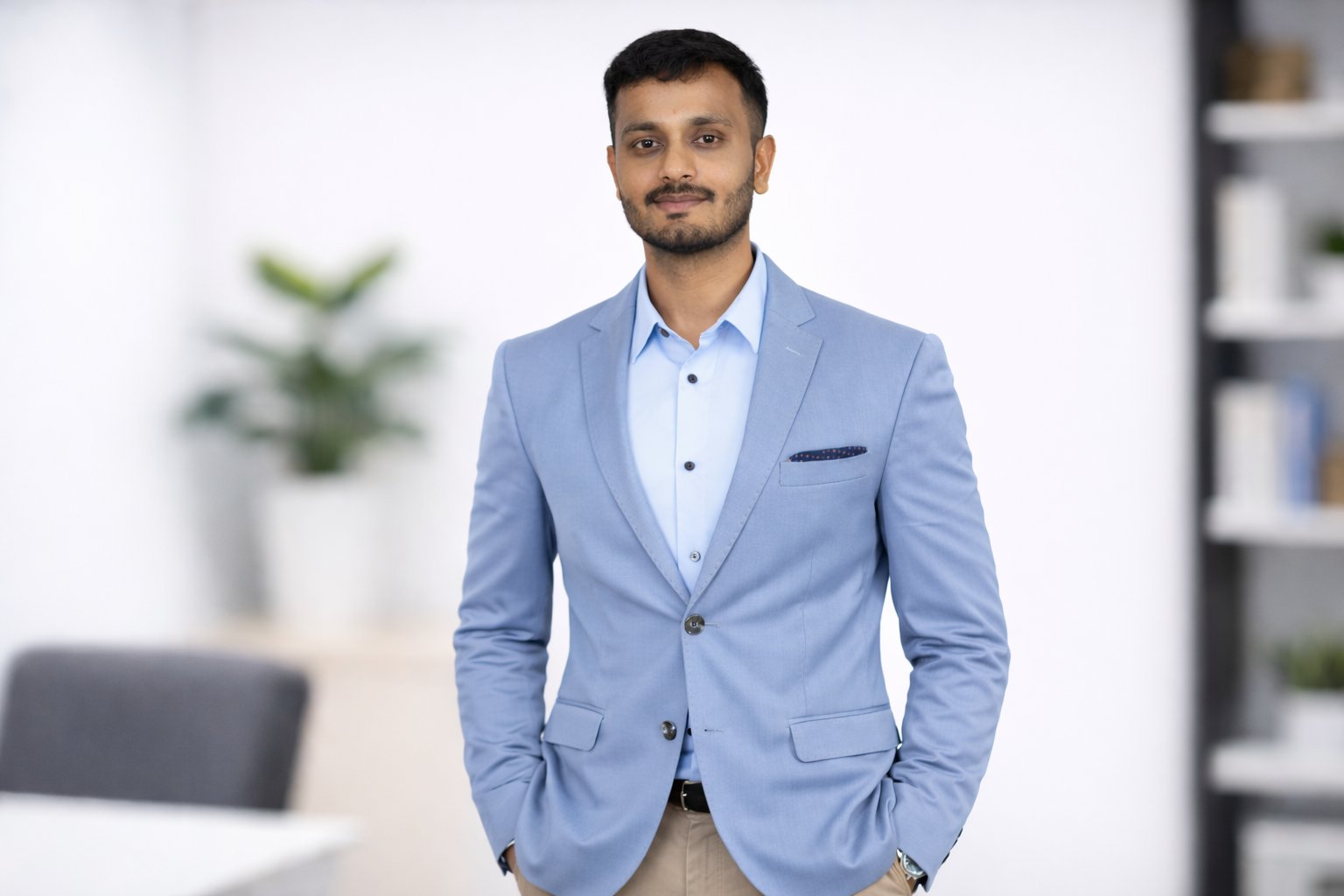
Rahul Chief Marketing Officer (CMO)
Rahul brings experience in analytics and entrepreneurship, with a background in data analysis and business development. At Terrgeum, he leads marketing strategy, brand development, and customer engagement initiatives that support the platform’s growth and outreach.
Yogesh Chief Technology Advisor
Yogesh holds an M.Tech in Big Data Analytics from PES University and brings experience from NetApp and iDrive in building secure and scalable technology systems. As Chief Technology Advisor at Terrgeum, he provides strategic guidance on platform architecture, infrastructure design, data systems, and emerging technology integrations. His focus is on helping shape a robust and scalable technology foundation that supports transparent operations and the long-term digital growth of the Terrgeum platform.
Dr. Rammyaa Booraghavan Chief of Research and Innovation
Dr. Rammyaa holds a PhD in Information & Communication Engineering with 11+ years of experience in research and innovation. At Terrgeum, she leads initiatives focused on plantation innovation and value-added by-product development. She holds multiple patents, including an Australian-granted patent for an Automated Robotic Device, and has filed patents on Digital Twin–based safety training, BCI home automation, and smart irrigation systems. She has also published 30+ research papers in international journals and conferences, contributing to technology-driven and sustainable innovation.
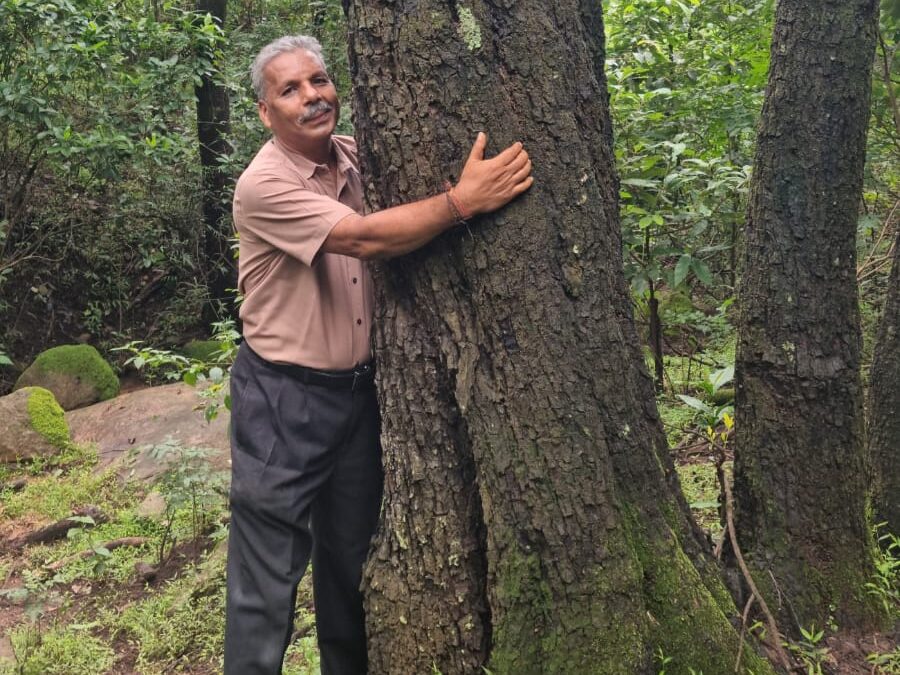
Dr. R SUNDARARAJ, M.Sc., M.Phil. Ph.D., MNASc., FAZR., FIAWSc., FESI, FRES.
(FORMER SCIENTIST G AND HEAD, FOREST PROTECTION DIVISION, ICFRE-IWST, BANGALORE)
Dr. R. Sundararaj is a distinguished forest entomologist with over 30 years of research experience in tree health management, particularly in healthy growth of sandalwood for maximum production. He retired as Scientist G and Head of the Forest Protection Division at the Institute of Wood Science and Technology (ICFRE–IWST), Bengaluru, and currently serves as a Consultant in the same division. He holds a Ph.D. and M.Phil. in Entomology from the University of Madras and M.Sc. and B.Sc. degrees in Zoology from Madurai Kamaraj University. His expertise spans Forest Entomology, Integrated Pest Management, Wood Biodeterioration and Protection, and tree health monitoring. Dr. Sundararaj has published more than 300 scientific papers, guided 15 Ph.D. scholars and three post-doctoral fellows, and authored and edited several key books in wood science and entomology. His recent contribution includes an edited book on “Science of Wood degradation and its protection” and the authored book on “Sandalwood Cultivation and Management: For Prosperity and Ecosystem” He is a Fellow of leading professional bodies including the Royal Entomological Society (UK) and other major scientific academies, and has participated in research collaborations across Germany, Indonesia, Malaysia, Taiwan, Thailand, and the USA.