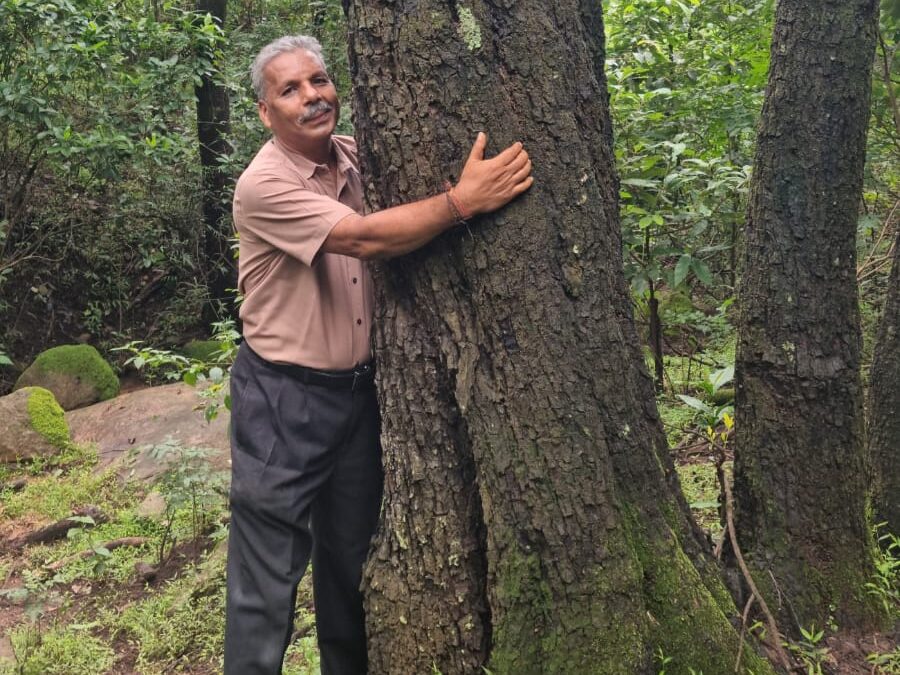
Indian Sandalwood Cultivation in India
For centuries, Indian Sandalwood grew wild in the forests of South India, largely untouched by organized farming. Today, that picture is changing rapidly. Rising demand, dwindling wild populations, and reformed government policies have pushed sandalwood cultivation from forest floors into structured, legally managed plantations. This shift marks one of the most significant transformations in India’s sandalwood industry in the last century. Here’s a complete look at how sandalwood cultivation works in India today.
A Shift From Wild Harvesting to Organized Farming
Historically, sandalwood in India was almost exclusively a state-owned resource, particularly in Karnataka, where the majority of the country’s natural sandalwood forests are located. For decades, private individuals were legally barred from owning or harvesting sandalwood trees, even ones growing on their own land. All sandalwood belonged to the government, a policy inherited from the erstwhile Kingdom of Mysore.
This system, while intended to prevent overharvesting, inadvertently discouraged private cultivation and fueled a thriving illegal trade. As wild sandalwood populations declined sharply through the late 20th century, it became clear that stricter state control alone wasn’t solving the sustainability problem.
Policy Reforms That Changed Everything
In response to declining wild stocks and rampant illegal logging, several Indian states, led by Karnataka, began reforming sandalwood ownership laws starting in the early 2000s and continuing through the 2010s. These reforms allowed private landowners to legally grow, harvest, and sell sandalwood trees, provided they registered their plantations and obtained the necessary permits.
This regulatory shift opened the door for a new wave of organized, legal sandalwood cultivation across the country, with private companies and individual farmers investing in long-term plantations for the first time.
Where Sandalwood Is Cultivated in India?
While Karnataka remains the historical heartland of Indian Sandalwood, cultivation has expanded to several other states with suitable climates, including:
- Karnataka: Particularly regions around Mysore, Kolar, and Chikmagalur, known for producing some of the highest-quality sandalwood in the world.
- Tamil Nadu: Especially the Marayoor region, home to protected sandalwood forests and growing private cultivation efforts.
- Andhra Pradesh and Telangana: Increasingly popular for commercial plantations due to suitable soil and climate conditions.
- Kerala, Maharashtra, and parts of Rajasthan: Smaller-scale cultivation efforts have also emerged in these states as farmers experiment with sandalwood as a long-term investment crop.
Setting Up a Sandalwood Plantation
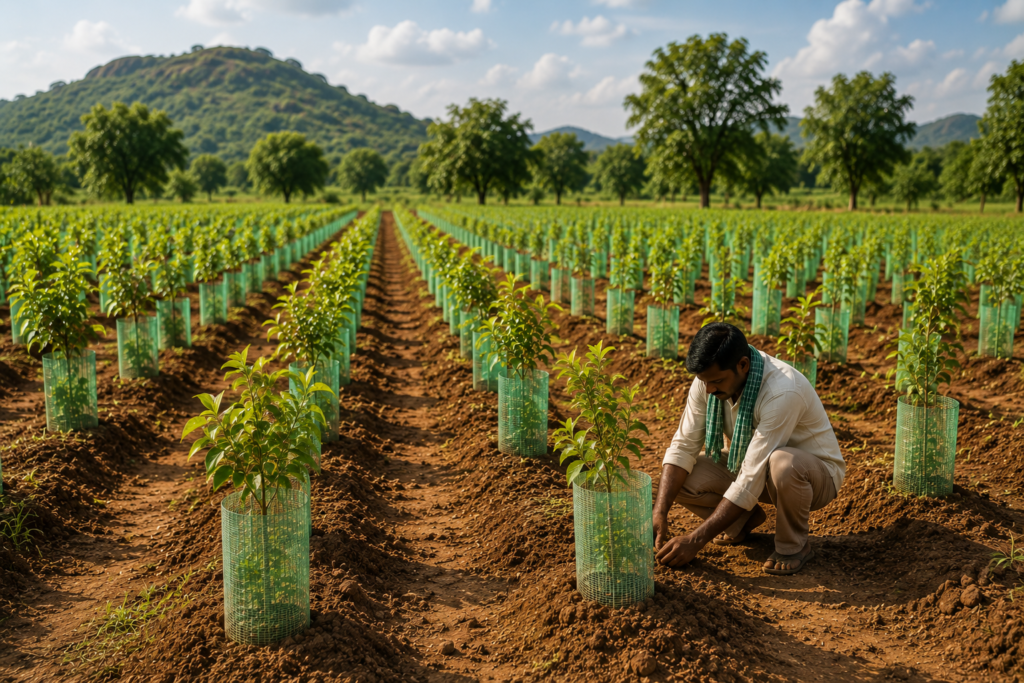
Cultivating sandalwood successfully requires far more planning than typical agricultural crops, largely because of its hemi-parasitic nature and long maturation period. Key steps in establishing a plantation include:
1. Selecting Suitable Land – Farmers look for well-drained soil, warm climates, and moderate rainfall, ideally mimicking the natural conditions found in sandalwood’s native South Indian range.
2. Planting Host Trees – Since sandalwood cannot grow independently, host plants must be planted alongside or slightly before sandalwood saplings. Short-term hosts like pigeon pea support early growth, while long-term hosts such as Casuarina or Pongamia sustain the tree through later stages of maturity.
3. Sapling Transplantation – Sandalwood saplings, typically grown in nurseries for several months, are transplanted into the field once they’ve developed sufficient root strength to begin forming connections with host plants.
4. Long-Term Maintenance – Over the following 15 to 30 years, plantation owners must manage irrigation, monitor host plant health, protect against pests and diseases like spike disease, and provide security against theft, given the high value of maturing sandalwood trees.
The Role of Private Companies
In recent years, several private companies have entered the sandalwood cultivation space, offering structured investment models where individuals can invest in sandalwood plantations as a long-term asset. These companies typically handle land acquisition, plantation management, and eventual harvesting and sale, offering investors a share of profits once trees mature and are harvested.
This model has made sandalwood cultivation accessible to people who don’t own agricultural land themselves, effectively turning tree cultivation into a long-term investment vehicle similar to real estate or timber funds.
Governement Support and Regulation
Recognizing the ecological and economic value of expanding legal sandalwood cultivation, several state governments now offer support mechanisms, including subsidies for planting material, technical guidance on host plant selection, and streamlined permit processes for registered plantations.
At the same time, regulation remains in place to prevent illegal logging and ensure sustainable practices. Plantation owners are generally required to register their sandalwood trees, obtain permits before harvesting, and follow guidelines on legal transport and sale of harvested wood.
Challenges Facing Sandalwood Farmers
Despite growing interest, sandalwood cultivation in India still faces several hurdles:
- Long investment horizon: With 15 to 30 years before returns, sandalwood isn’t a viable option for farmers needing short-term income.
- Disease management: Spike disease, a phytoplasma infection that stunts growth and reduces oil quality, remains a significant threat to plantations across South India.
- Security concerns: Given sandalwood’s high value, mature plantations require ongoing protection against theft and illegal harvesting.
- Limited technical expertise: Since large-scale legal cultivation is relatively new, many farmers still lack access to expert guidance on host plant management and disease prevention.
The Future of Sandalwood Cultivation in India
As global demand for sandalwood oil, incense, and cosmetic products continues to grow, India’s shift toward organized, sustainable cultivation is likely to expand further. Improved research into disease-resistant sandalwood varieties, better host plant combinations, and continued policy support could help India reclaim its position as a leading global supplier of high-quality Santalum album, this time through sustainable, legally managed plantations rather than dwindling wild forests.
Conclusion
Indian Sandalwood cultivation represents a significant shift from centuries of state-controlled forest harvesting to a more sustainable, farmer-friendly model. While challenges around long investment timelines, disease, and security remain, ongoing policy reforms and growing private investment suggest a promising future for this ancient, valuable tree. For India, successfully scaling sustainable cultivation isn’t just an economic opportunity — it’s a chance to protect a resource that has been central to the country’s culture and heritage for thousands of years.