
Sandalwood Oil: Complete Guide
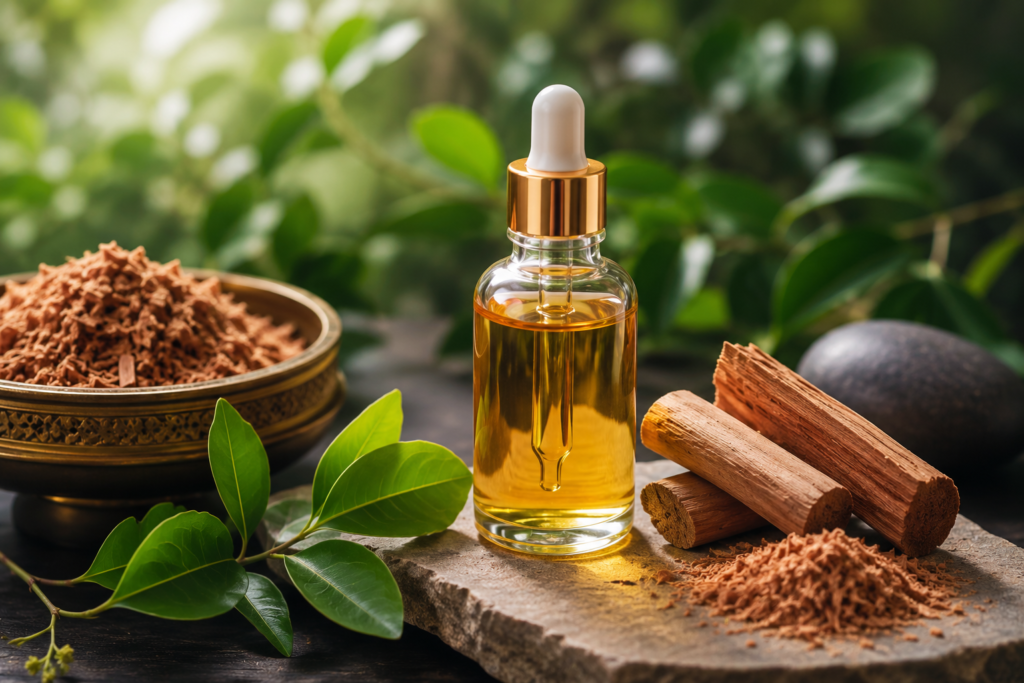
Few essential oils carry the reputation, history, and price tag of Indian Sandalwood oil. Extracted from the heartwood of Santalum album, this rich, creamy-scented oil has been prized for thousands of years across perfumery, skincare, aromatherapy, and traditional medicine. But with rising demand also comes a flood of diluted, synthetic, or mislabeled products in the market. This guide breaks down everything you need to know about sandalwood oil — how it’s made, what it’s used for, and how to make sure you’re getting the real thing.
What is Sandalwood Oil?
Sandalwood oil is extracted from the heartwood of mature sandalwood trees, typically at least 15 to 30 years old. The heartwood, the dense inner core of the trunk, contains the highest concentration of aromatic compounds, primarily santalol, which is responsible for sandalwood’s distinct, warm, and creamy fragrance.
Indian Sandalwood oil is particularly prized because Santalum album typically produces oil with a santalol content of 90% or higher, significantly outperforming other sandalwood species in both fragrance intensity and quality.
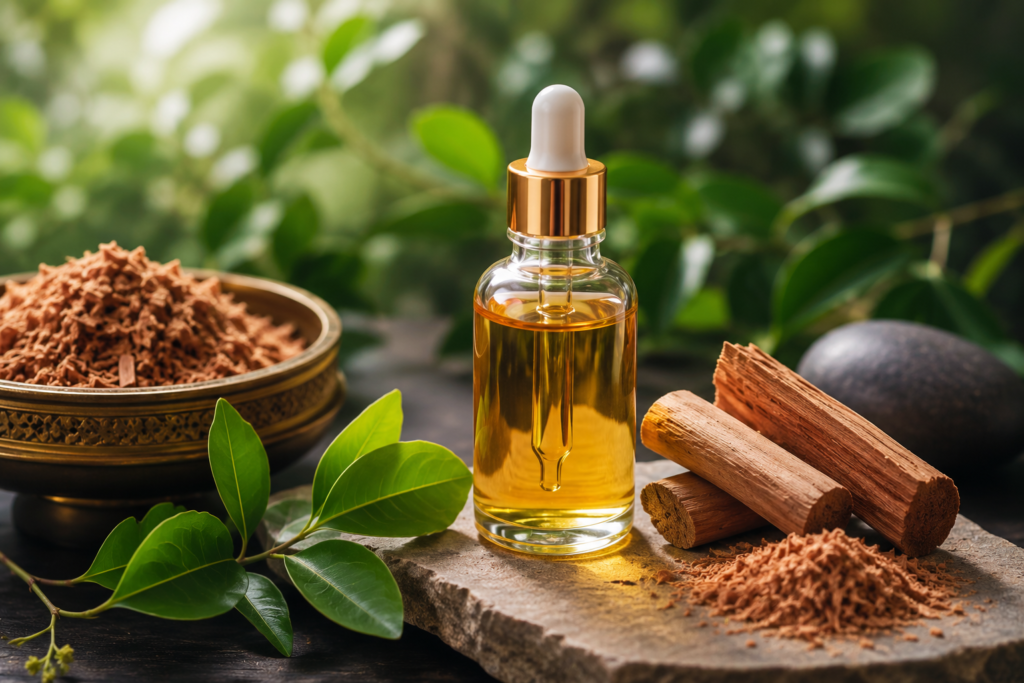
How Is the Oil from Sandalwood Extracted?
The extraction process is time-intensive and requires specialized equipment to preserve the oil’s delicate aromatic compounds. The most common extraction method is steam distillation, which typically follows these steps:
- Wood preparation: Harvested heartwood is chipped or powdered to increase surface area for extraction.
- Steam distillation: The wood chips are placed in a still, where steam passes through the material, causing the aromatic oil to evaporate along with the steam.
- Condensation and separation: The steam and oil vapor are cooled and condensed back into liquid form. Since oil and water don’t mix, the sandalwood oil naturally separates and is collected.
- Filtration and aging: The extracted oil is filtered to remove impurities and often left to age briefly, which can enhance its final aroma.
This process is notably slow compared to extracting oils from other plants, sometimes taking 24 to 36 hours of continuous distillation to fully extract the aromatic compounds from the dense heartwood.
The Fragrance Profile of the Oil
The oil from Sandalwood is known for its warm, woody, and slightly sweet aroma with soft, milky undertones. It’s often described as smooth and creamy rather than sharp, which makes it incredibly versatile as both a standalone scent and a blending ingredient in perfumery. Its ability to act as a “fixative,” meaning it helps other fragrance notes last longer on the skin, is one of the primary reasons it’s so valued in the fragrance industry.
Common Uses
Perfumery – Sandalwood oil serves as a popular base note in high-end perfumes, providing depth, warmth, and longevity to fragrance blends. It pairs well with floral, spicy, and musky notes, making it a versatile ingredient across many fragrance families.
Skincare – Thanks to its anti-inflammatory and antibacterial properties, the oil from sandalwood is commonly used in skincare products to soothe irritated skin, reduce acne-related inflammation, and improve overall skin tone. It’s often found in serums, creams, and face oils marketed for sensitive or aging skin.
Aromatherapy – The calming, grounding scent of sandalwood oil makes it a popular choice in aromatherapy practices. It’s often diffused or applied topically (in diluted form) to help reduce stress, ease anxiety, and support meditation or relaxation routines.
Traditional and Religious Use
In many parts of India and Southeast Asia, sandalwood oil and paste are used in religious ceremonies, applied to the skin for cooling and spiritual purification, and burned in temples during rituals.
Haircare – Some haircare products incorporate sandalwood oil for its soothing properties on the scalp, as well as for the subtle, long-lasting fragrance it imparts to hair.
How to Identify Genuine Sandalwood Oil
Given its high value, sandalwood oil is one of the most commonly adulterated essential oils on the market. Here’s what to look for when purchasing:
- Check the botanical name: Genuine Indian Sandalwood oil should be labeled Santalum album. Other species, like Santalum spicatum (Australian sandalwood), have a different scent profile and lower santalol content.
- Be wary of low prices: Authentic sandalwood oil is expensive due to the tree’s long maturation period. Extremely cheap “sandalwood oil” is often diluted or entirely synthetic.
- Look for lab testing or certification: Reputable sellers often provide Gas Chromatography-Mass Spectrometry (GC-MS) test results, verifying the oil’s chemical composition and purity.
- Assess the scent: Genuine sandalwood oil has a smooth, creamy aroma that develops subtly over time on the skin, unlike synthetic versions that can smell sharp or fade quickly.
- Texture and color: Pure sandalwood oil is typically pale yellow and has a slightly viscous consistency.
Sandalwood Oil Grades
Not all sandalwood oil is created equal. Quality can vary based on factors like the tree’s age, growing region, and extraction process. Generally, oil from older trees (25 years or more) with higher santalol concentrations commands the highest prices and is considered top-grade, while oil from younger trees or lower-quality extraction methods is typically sold at a lower price point with a less refined fragrance.
How to Use Sandalwood Oil Safely?
While sandalwood oil offers numerous benefits, it’s important to use it correctly:
- Always dilute before topical use: Sandalwood oil is highly concentrated and should be mixed with a carrier oil, such as jojoba or coconut oil, before applying to skin.
- Patch test first: Since essential oils can cause skin sensitivity in some individuals, it’s advisable to test a small area before wider application.
- Avoid ingestion: Sandalwood oil is intended for topical or aromatic use, not internal consumption, unless specifically directed by a qualified practitioner.
- Store properly: Keep sandalwood oil in a cool, dark place, away from direct sunlight, to preserve its fragrance and potency over time.
Conclusion
Sandalwood oil remains one of the most treasured natural extracts in the world, valued for its unmatched fragrance, therapeutic properties, and deep cultural significance. Because of its high value, however, buyers need to stay informed to avoid diluted or synthetic alternatives flooding the market. By understanding how it’s made, what to look for, and how to use it safely, you can better appreciate — and confidently choose — genuine sandalwood oil for whatever purpose you have in mind.