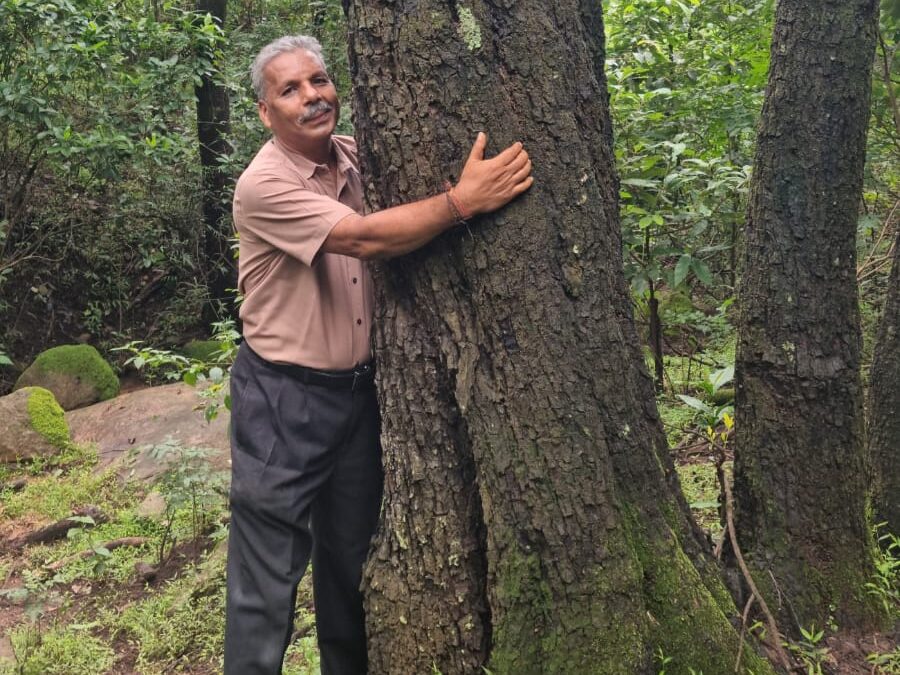
Why Is Indian Sandalwood One of the World's Most Valuable Trees?
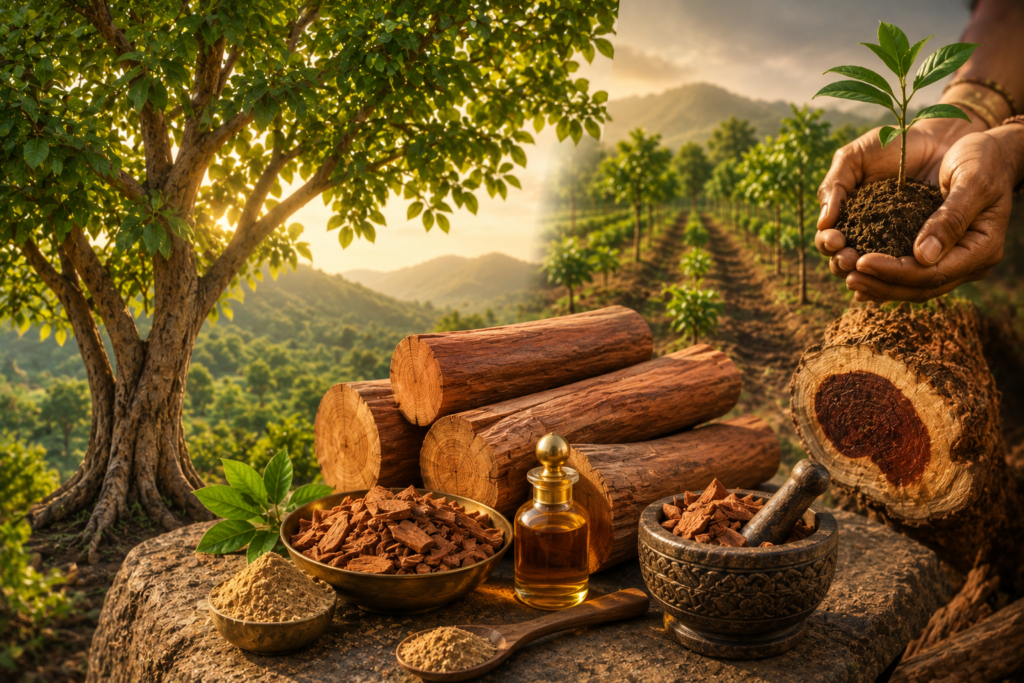
Gold, saffron, and truffles often top the list when people think of the world’s most expensive natural resources. But few realize that a tree — Indian Sandalwood (Santalum album) — can rival and even exceed these in value per kilogram. A single mature tree can be worth lakhs of rupees, and its oil is sold in small vials at prices that rival fine perfume. So what exactly makes this tree so extraordinarily valuable? Let’s break down the science, economics, and culture behind sandalwood’s premium price tag.
It Takes Decades to Mature
Unlike most commercial crops that can be harvested within months or a few years, Indian Sandalwood needs 15 to 30 years before its heartwood develops enough oil to be commercially viable. During this long growth period, the tree is vulnerable to theft, disease, and environmental stress, all while tying up land and capital for farmers with no returns.
This extended maturation period means supply can never quickly respond to rising demand. Even if farmers plant thousands of new trees today, the market won’t see returns for at least a decade and a half — a stark contrast to crops like turmeric or cotton that generate annual income
Exceptionally High Oil Content
The real value of sandalwood lies in its heartwood oil, rich in a compound called santalol, which is responsible for its distinctive, creamy fragrance. Indian Sandalwood typically contains a santalol concentration of 90% or higher, significantly outperforming other sandalwood species such as Australian sandalwood (Santalum spicatum), which has a lower concentration and a noticeably different scent profile.
This higher purity and stronger fragrance intensity make Indian Sandalwood oil far more desirable to perfumers, which in turn drives up demand and price in the global fragrance industry.
It's a Hemi-Parasitic Tree
One of the lesser-known reasons sandalwood is difficult to cultivate is its biology. Santalum album is a hemi-parasitic species, meaning it cannot grow to full maturity on its own. Its root system attaches to the roots of host trees to draw essential nutrients throughout its life cycle.
This dependency makes cultivation more complex than planting a standalone crop. Farmers must carefully select and plant host trees alongside sandalwood saplings, monitor root development, and manage two plant species simultaneously. This added complexity increases the cost and risk of cultivation, contributing further to sandalwood’s premium status.
Decades of Overharvesting and Scarcity
For much of the 20th century, unsustainable harvesting practices and illegal logging significantly depleted wild sandalwood populations across South India. As demand from the perfumery and pharmaceutical industries grew, the supply of naturally grown, mature sandalwood trees shrank dramatically.
This scarcity was worsened by strict government regulations that, while aimed at conservation, discouraged private cultivation for decades. The result was a shrinking legal supply chain even as global demand continued to climb, creating the classic economic conditions for a high-value, high-demand commodity.
Government Regulation and Controlled Trade
Due to its economic and ecological importance, sandalwood trade in India has historically been tightly regulated. For much of the last century, the government maintained a monopoly over sandalwood harvesting and sales, particularly in Karnataka, where most of India’s high-quality sandalwood forests are located.
While reforms in recent years have allowed private landowners to legally cultivate and sell sandalwood, the process still requires permits, inspections, and documentation. This regulatory framework, while necessary for sustainability, also limits how quickly new supply can enter the market — another factor that keeps prices elevated.
Unmatched Demand Across Industries
Indian Sandalwood isn’t a niche product confined to one industry — its value comes from being sought after across multiple high-paying sectors simultaneously:
- Luxury perfumery: Major fragrance houses use sandalwood oil as a base note in high-end perfumes due to its long-lasting, fixative properties.
- Skincare and cosmetics: Its anti-inflammatory and antibacterial properties make it a premium ingredient in creams, soaps, and face masks.
- Religious and spiritual use: Millions of people across India and Southeast Asia use sandalwood paste, powder, and incense daily for religious rituals.
- Traditional medicine: Ayurvedic and other traditional medicine systems continue to use sandalwood for its cooling and therapeutic properties.
- Woodcraft and carving: High-quality sandalwood heartwood is carved into idols, decorative boxes, and artifacts, particularly in the Mysore region, adding another layer of demand beyond oil extraction.
This cross-industry demand means sandalwood doesn’t rely on a single market to stay valuable — even if one sector slows down, demand from others keeps prices strong.
The Rise of Certified Plantations
In response to dwindling wild populations and rising demand, private companies and government initiatives have increasingly turned to certified, sustainably managed sandalwood plantations. These plantations, some located in India and others in countries like Australia, aim to meet global demand without further depleting wild forests.
However, even plantation-grown sandalwood requires the same multi-decade maturation period, meaning that despite these efforts, supply constraints are likely to persist for years to come. This has led some investors to view sandalwood plantations as long-term investment assets, similar to how one might view a slow-growing but appreciating commodity.
A Resource That Can't Be Rushed
At the heart of sandalwood’s value is a simple truth: nature doesn’t rush. No amount of capital, technology, or demand can shorten the time it takes for a sandalwood tree to mature and develop its prized oil. This inherent scarcity, combined with cultural reverence, industrial demand, and past overharvesting, has cemented Indian Sandalwood’s place among the world’s most valuable trees.
Conclusion
Indian Sandalwood’s high value isn’t the result of clever marketing or artificial scarcity — it’s a product of biology, history, and genuine cross-industry demand. From its decades-long growth cycle to its unmatched fragrance profile, every factor around this tree points to why it continues to command such extraordinary prices on the global market. As sustainable cultivation expands, the hope is that this ancient, precious resource can be preserved for generations to come without repeating the mistakes of the past.