
Medicinal Uses of Indian Sandalwood
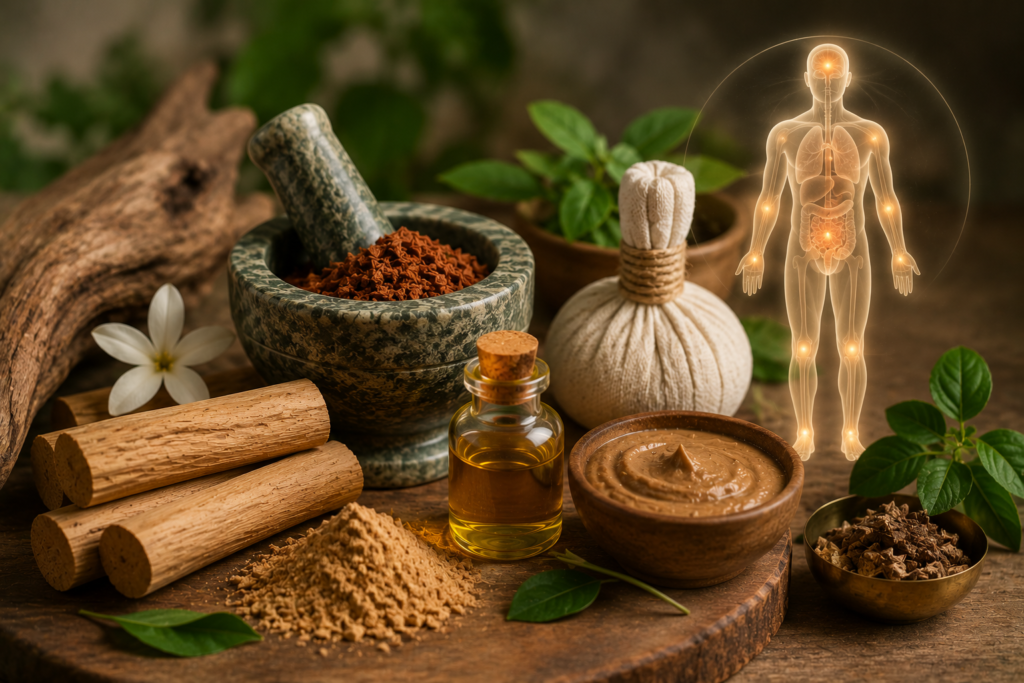
Medicinal Uses of Indian Sandalwood have been recognised in traditional healing systems for centuries, long before sandalwood became widely associated with perfumes, cosmetics, and luxury products. Indian Sandalwood (Santalum album) has traditionally been used by healers across India and Southeast Asia for various health and skin-related applications, including soothing certain skin conditions and supporting digestive and other wellness practices. In recent years, modern research has also begun investigating the therapeutic properties of sandalwood and its natural compounds, offering scientific insights into some of its traditional uses. This blog explores the medicinal applications of Indian Sandalwood, covering its traditional significance, potential therapeutic properties, and emerging scientific research.
Anti-Inflammatory Properties
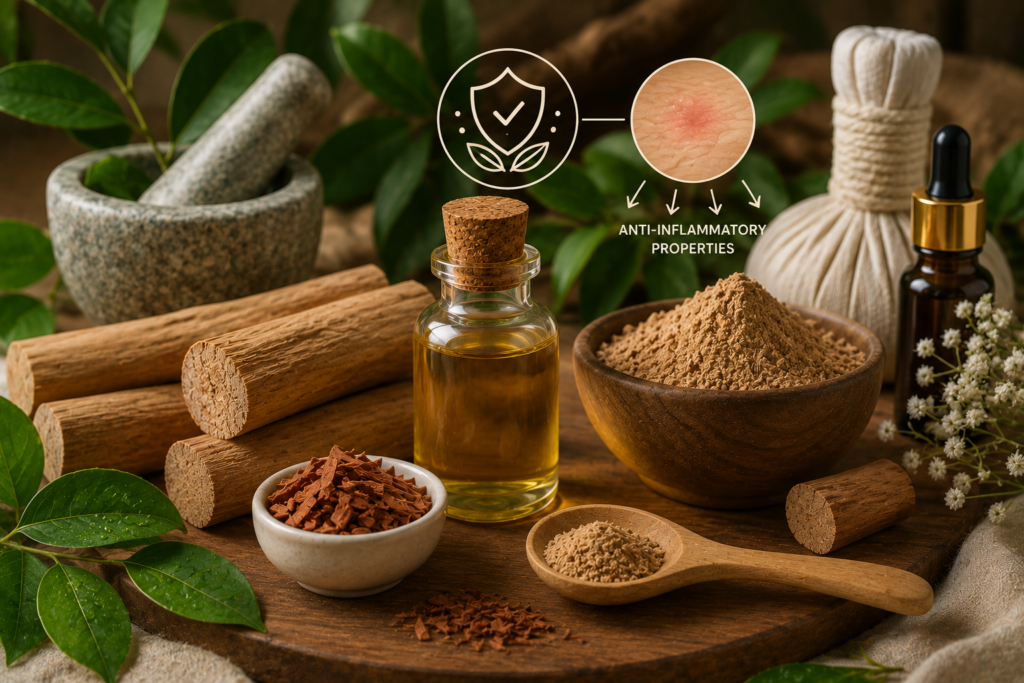
One of sandalwood’s most well-documented medicinal properties is its ability to reduce inflammation. Both sandalwood oil and paste have traditionally been applied to inflamed or irritated skin, and modern studies have identified specific compounds, particularly alpha-santalol, that appear to contribute to this anti-inflammatory effect.
This property makes sandalwood a popular natural remedy for conditions involving skin redness, swelling, or irritation, and it’s part of why sandalwood-based products are frequently marketed for sensitive or reactive skin types.
Antibacterial and Antimicrobial Effects
Traditional medicine systems have long used sandalwood to treat minor wounds, cuts, and skin infections, and several modern studies have supported the plant’s antibacterial properties. Research suggests that sandalwood oil exhibits activity against certain bacterial strains, which may explain its traditional use in treating acne, minor skin infections, and even certain oral health issues when used in diluted forms.
Skin Health and Wound Healing
Beyond its anti-inflammatory and antibacterial effects, sandalwood has traditionally been used to support overall skin healing. Ayurvedic and other traditional practices often combine sandalwood paste with other natural ingredients to treat conditions such as:
- Acne and blemishes: Applied topically to help reduce inflammation and bacterial growth associated with breakouts.
- Hyperpigmentation: Believed to help even out skin tone when used consistently over time.
- Minor wounds and rashes: Used as a soothing, protective application to support the skin’s natural healing process.
While much of this evidence remains rooted in traditional use rather than large-scale clinical trials, the consistency of these applications across centuries and cultures has drawn increasing scientific interest.
Respiratory Support
In traditional medicine, sandalwood has been used to help ease respiratory discomfort, particularly for conditions involving coughs and throat irritation. Steam inhalation with sandalwood oil, or consuming sandalwood-infused preparations under practitioner guidance, has historically been used as a complementary approach for mild respiratory symptoms, often as part of broader herbal treatment plans rather than a standalone cure.
Mental Health and Stress Relief
Perhaps one of the most widely recognized medicinal applications of sandalwood today lies in its calming, anxiety-reducing properties. Aromatherapy studies have explored how inhaling sandalwood oil may influence the nervous system, with some research suggesting it can help lower stress markers and promote relaxation.
This aligns closely with sandalwood’s traditional use in meditation and spiritual practices, where its grounding scent has long been believed to calm the mind and support mental clarity.
Potential Anti-Cancer Research
In recent years, some preliminary scientific studies have explored the potential anti-cancer properties of alpha-santalol, one of sandalwood oil’s key active compounds. Early laboratory research has shown some promising results regarding its effects on certain cancer cell lines, though it’s important to note that this research remains in early stages, primarily conducted in laboratory settings rather than human clinical trials.
While these findings are worth watching, sandalwood should not be considered a treatment or cure for cancer, and anyone interested in this area of research should look to peer-reviewed clinical studies and consult medical professionals rather than relying on traditional use alone.
Digestive Health
Traditional Ayurvedic formulations have occasionally included sandalwood as part of remedies aimed at supporting digestive health, often combined with other herbs believed to soothe the digestive tract. However, this application is less prominent compared to sandalwood’s topical and aromatic medicinal uses, and modern scientific evidence in this specific area remains limited.
Important Safety Considerations
While sandalwood offers various traditional and emerging medicinal benefits, it’s important to use it responsibly:
- Always dilute essential oil: Undiluted sandalwood oil can cause skin irritation in some individuals; always mix with a suitable carrier oil before topical application.
- Patch test first: Test a small area of skin before broader application to check for any allergic reactions.
- Avoid self-treating serious conditions: While sandalwood may offer supportive benefits for minor skin or stress-related issues, it should not replace professional medical treatment for serious health conditions.
- Consult a healthcare provider: Particularly for internal use or when combining sandalwood with other treatments, professional guidance is essential.
Conclusion
Indian Sandalwood‘s medicinal legacy spans thousands of years, rooted deeply in traditional healing systems like Ayurveda while increasingly drawing interest from modern scientific research. From its well-documented anti-inflammatory and antibacterial properties to its calming effects on mental well-being, sandalwood continues to demonstrate why it has remained a trusted natural remedy across generations. As research continues to explore its full therapeutic potential, sandalwood’s role in both traditional and modern medicine looks set to remain significant for years to come.