Terrguem Plantation Projects
Structured Agroforestry for Responsible Land Stewardship
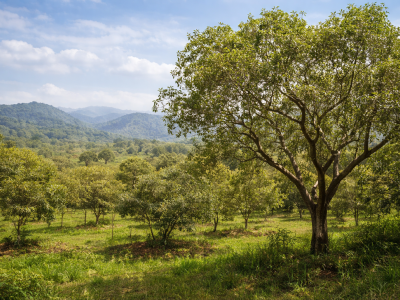
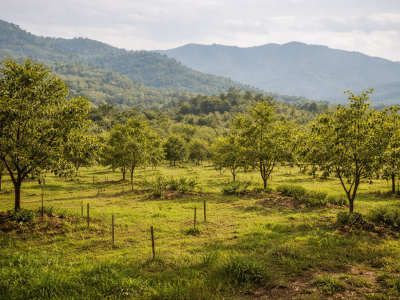
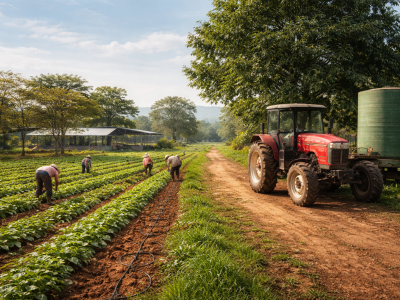
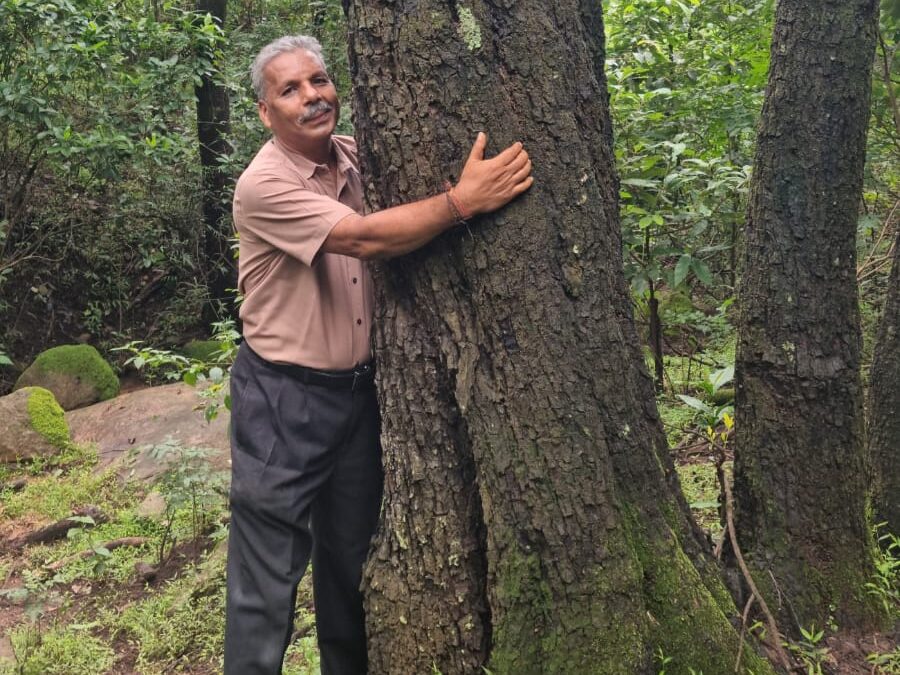
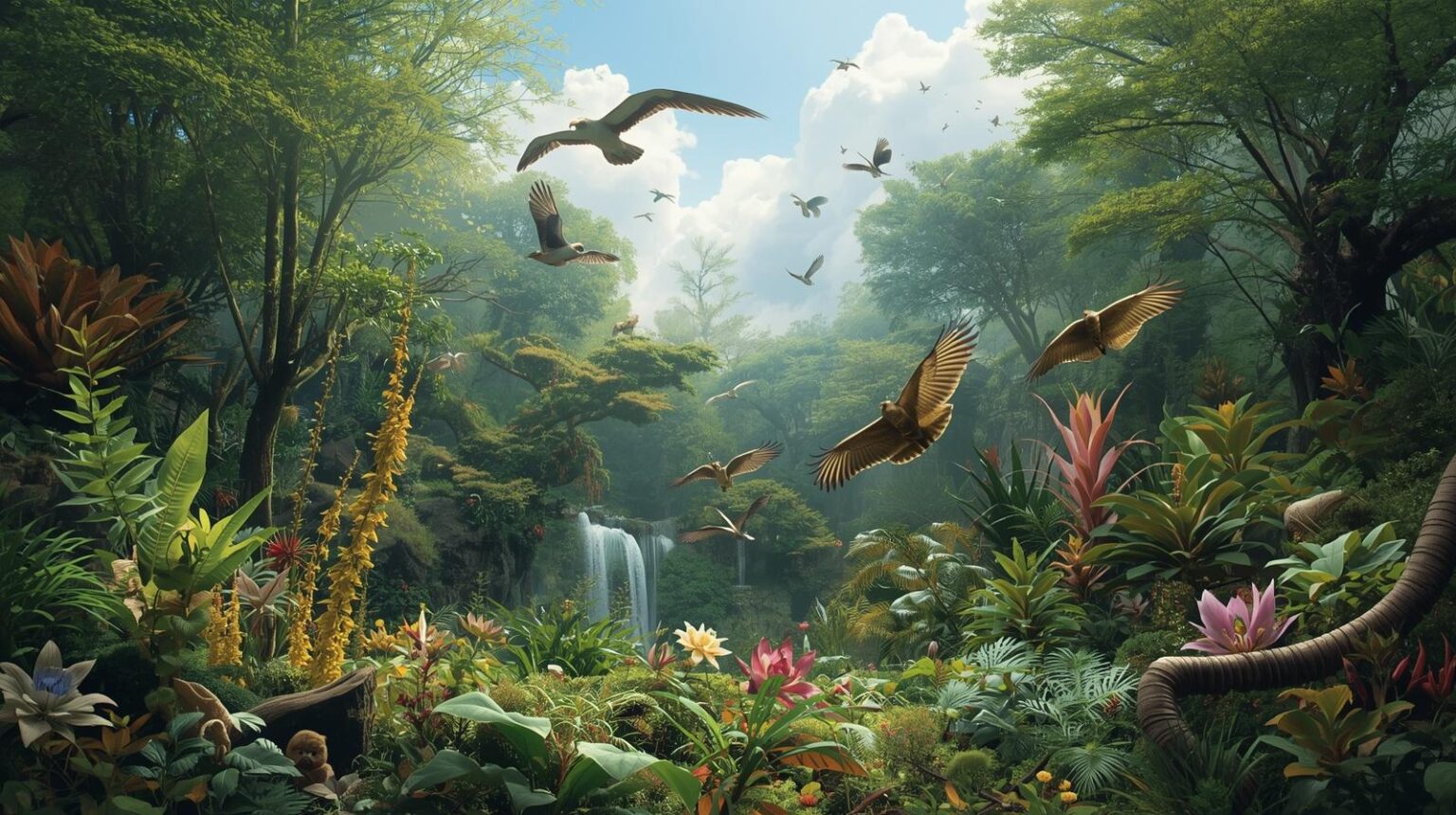
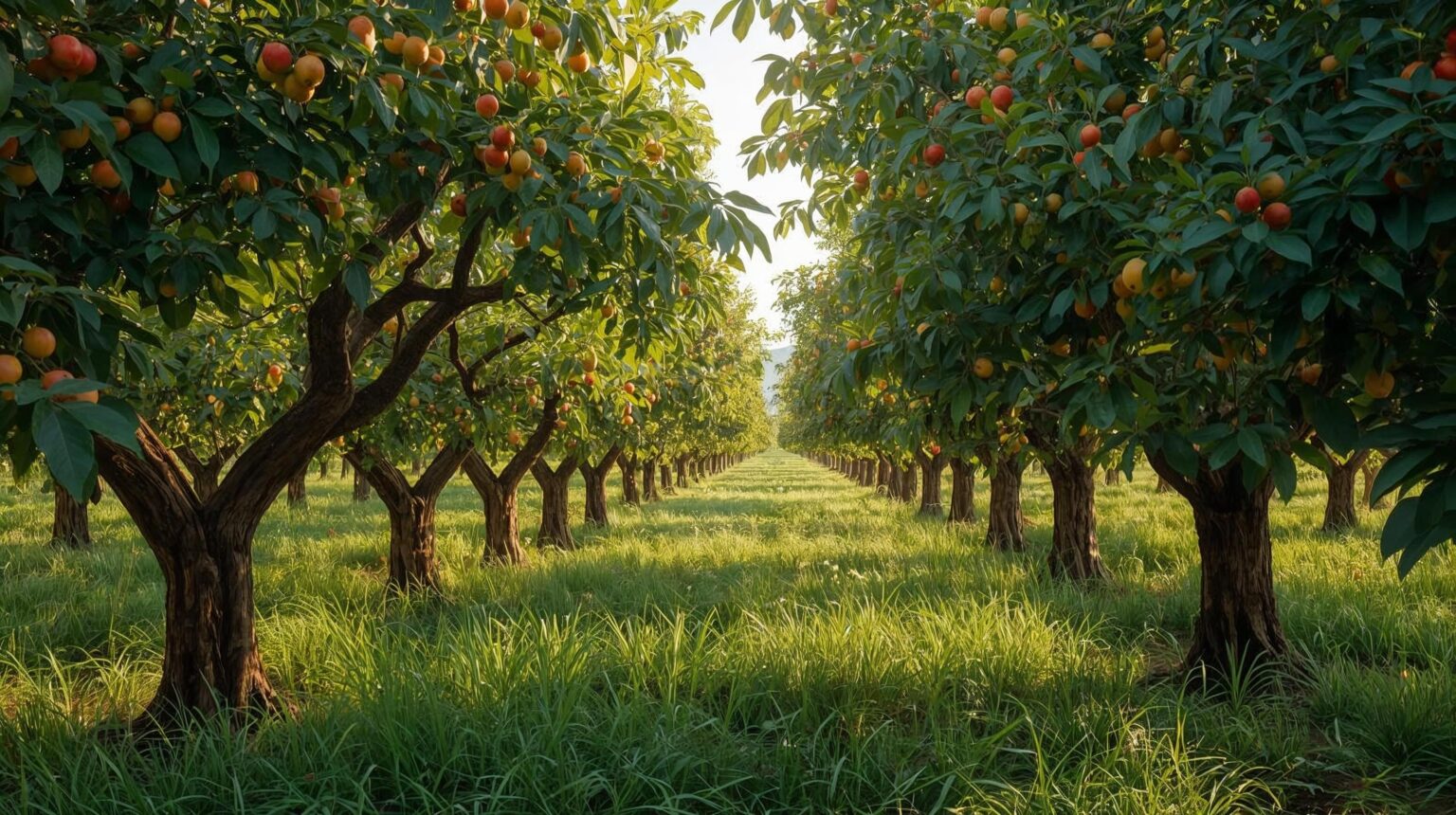
Terrgeum plantation projects are developed using structured agroforestry systems designed to promote sustainable land use, diversified plantation ecosystems, and long-term agricultural productivity.
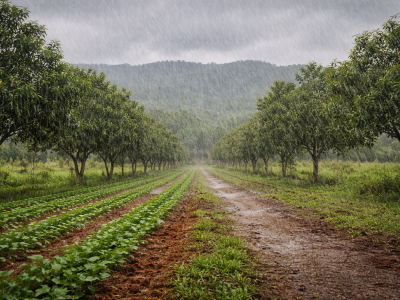
Each project integrates carefully selected tree species, scientifically planned plantation layouts, and professional plantation management practices. Through this structured approach, Terrgeum aims to develop productive plantation ecosystems that balance agricultural output, ecological sustainability, and responsible land stewardship.
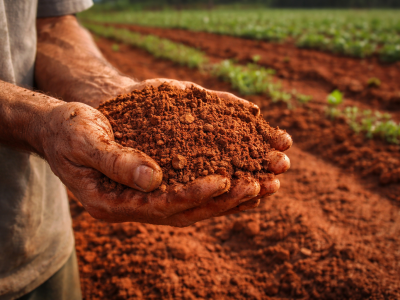
Before establishing any project, key factors such as soil quality, water availability, climatic suitability, and legal land documentation are carefully evaluated to ensure the long-term viability and sustainability of the plantation.
Terrgeum envisions the development of 2 million sandalwood trees across multiple plantation projects, contributing to long-term ecological sustainability and responsible agroforestry development.
Our Project Principles
Sustainable Land Use
Promoting responsible land utilization through structured plantation ecosystems designed for long-term sustainability
Agroforestry - Based Plantation
Plantations developed using diversified agroforestry systems integrating multiple complementary plant species.
Structured Land Allocation
Each plantation follows a defined land allocation framework to ensure clarity in plantation layout and participation structure.
Professional Plantation Management
Plantation development and cultivation activities guided by experienced agricultural professionals.
Transparent Participation Framework
All plantation initiatives operate under documented agreements outlining participation structure and plantation management processes
Environmental Responsibility
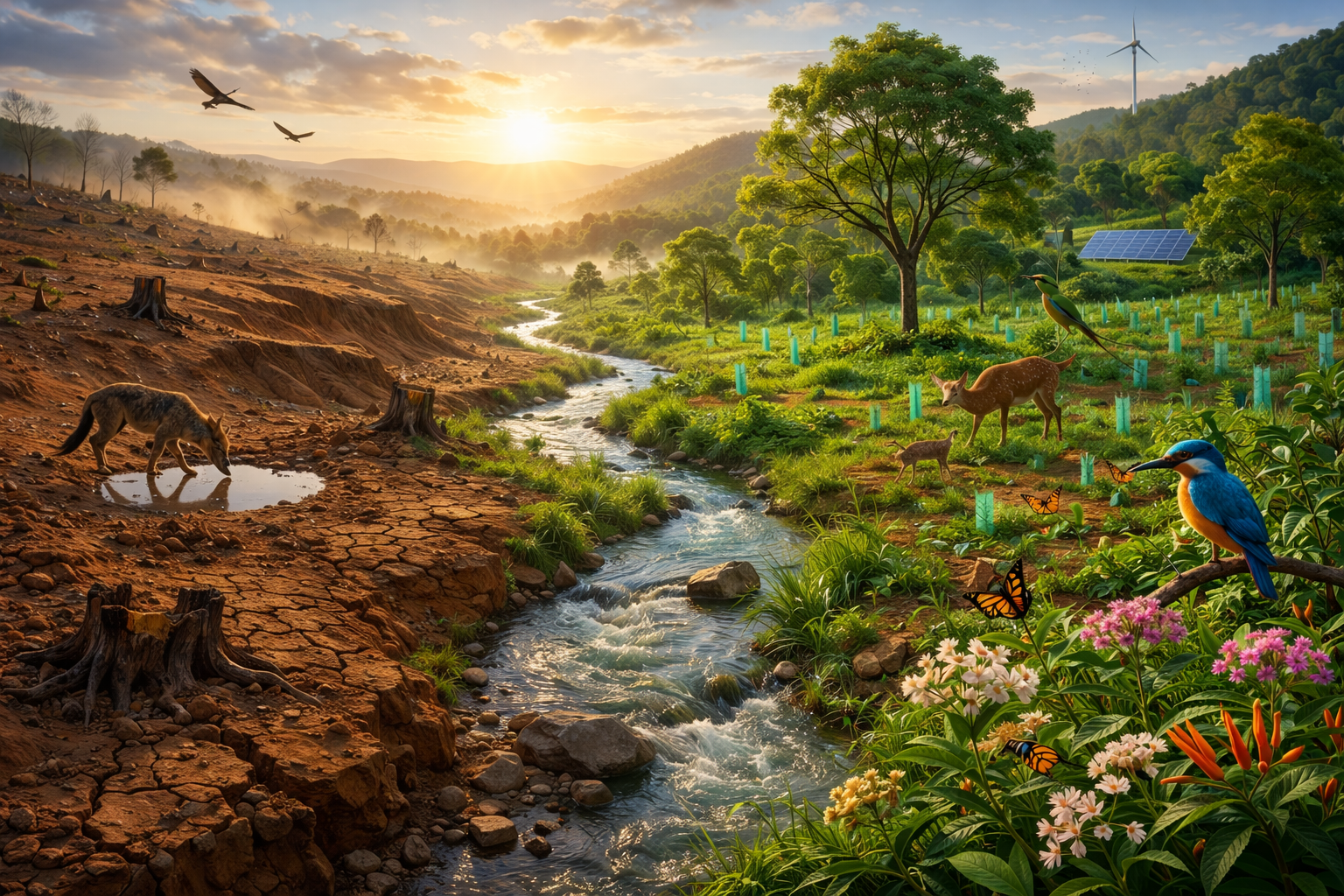
Plantation ecosystems are designed to support soil health, biodiversity, and sustainable agricultural practices.
Core Project Values
Transparency
Clear processes, documented participation frameworks, and open communication in all plantation initiatives
Sustainability
Promoting agricultural practices that support long-term ecological balance and responsible land use
Responsibility
Managing plantation ecosystems with care for the land, environment, and future generations
Integrity
Operating with honesty, ethical practices, and accountability in plantation development and management
Ecological Balance
Encouraging biodiversity, soil health, and environmentally conscious cultivation through agroforestry systems
Plantation Development Vision
Long-term plantation development targets across Terrgeum agroforestry initiatives.
Santalum album
(Indian Sandalwood)
2.5 Million Trees

Aquilaria malaccensis
(Agarwood)
5.0 Million Trees
Project Information
Key insights into the scale, vision, and progress of Terrgeum plantation projects.
Santalum Album (Indian Sandalwood)
Plantation Vision
2.5 Million Trees
Trees Established
900 Trees
|
Project Name
|
Total Trees
|
Trees Allocated
|
Trees Available
|
Location
|
Land Coordinates
|
Status
|
|---|---|---|---|---|---|---|
|
Santal Prime Phase - 1
|
900
|
0
|
900
|
Mandya District, Karnataka
|
N - 12°13'47.7"
E - 77°16'12.2" |
Launched - May 2026
|
|
Santal Prime Phase - 2
|
Planned – To launch after completion of Phase 1
|
|||||
|
Santal Prime Phase - 3
|
Planned – To launch after completion of Phase 2
|
|||||
Aquilaria Malaccensis(Agarwood)
Plantation Vision
5.0 Million Trees
Trees Established
0 Trees
|
Project Name
|
Total Trees
|
Trees Allocated
|
Trees Available
|
Location
|
Land Coordinates
|
Status
|
|---|---|---|---|---|---|---|
|
Planned – To launch after May 2028
|
||||||
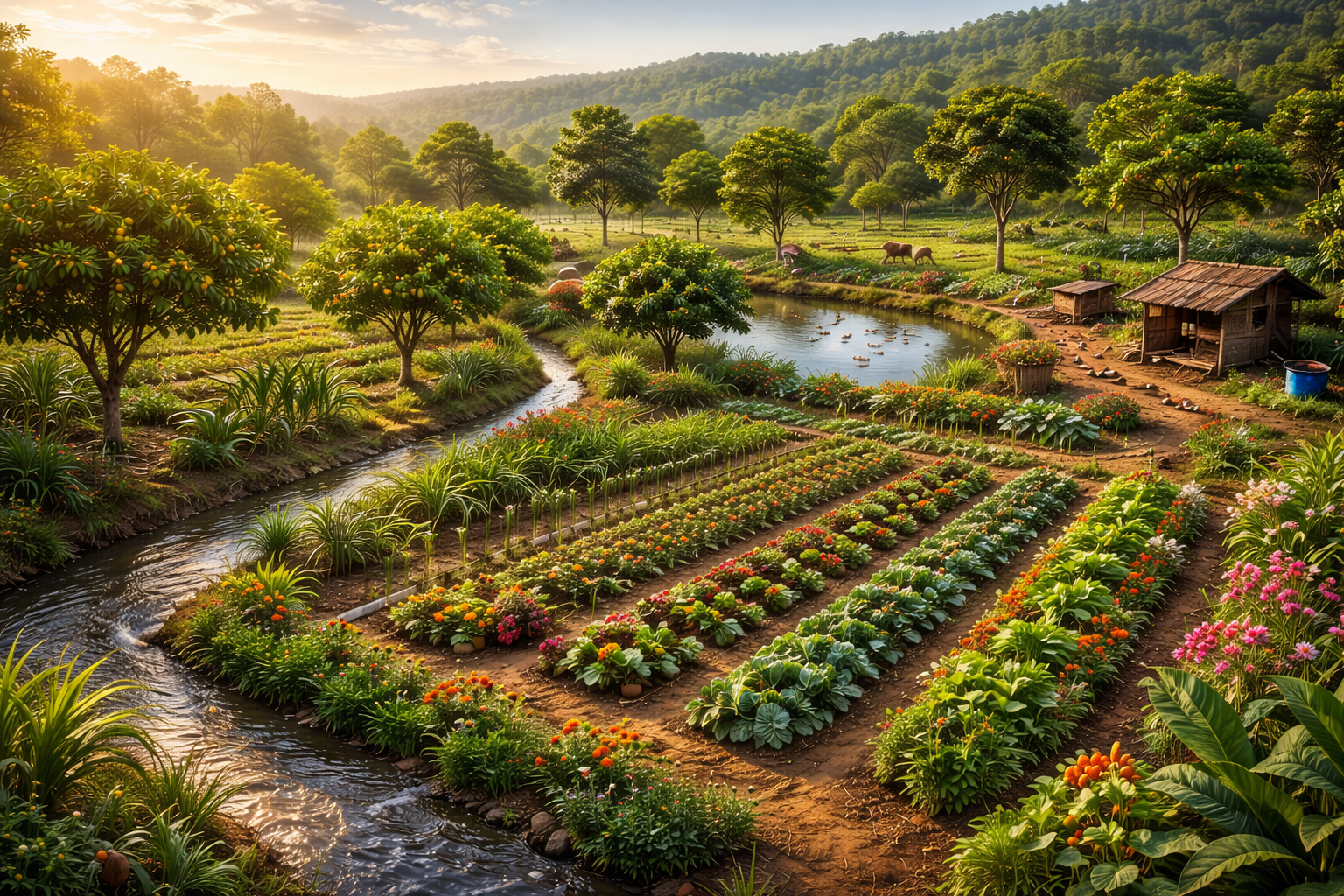
Photo Gallery

Plantation Monitoring & Transparency
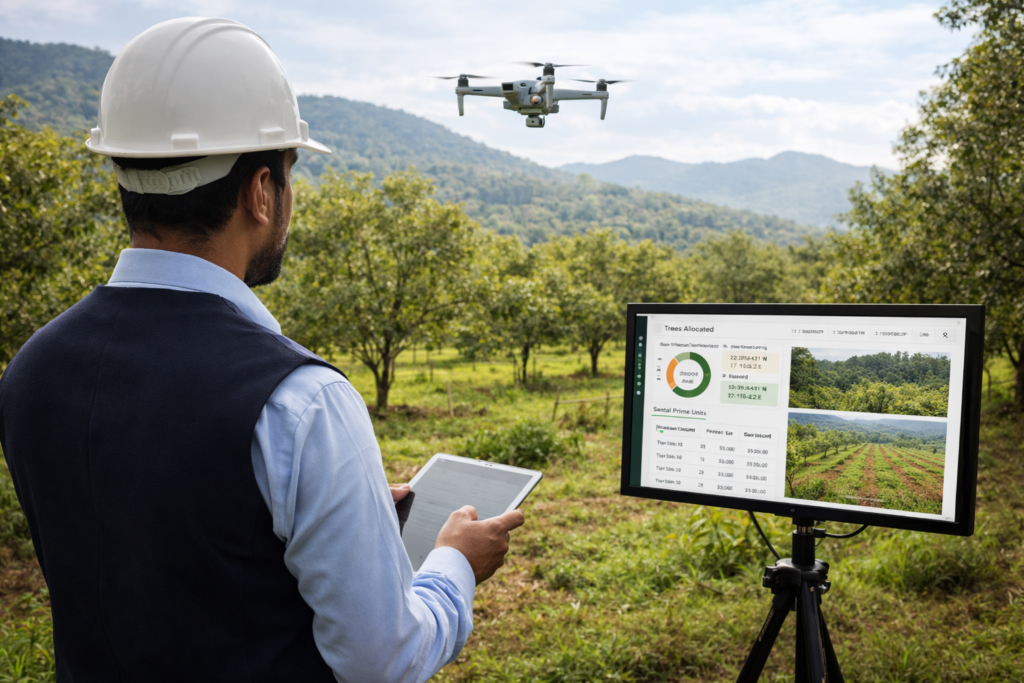
Terrgeum maintains structured monitoring systems for each plantation project.
Participants associated with plantation projects receive access to:
- Plantation allocation records
- Digital plantation monitoring dashboard
- Periodic project updates
- Documentation related to plantation participation
Why These Locations Are Selected
- Favorable soil composition
- Suitable rainfall patterns
- Climatic compatibility for plantation species
- Agricultural infrastructure availability
- Long-term plantation viability